2026-05-27
Emma Fitzgerald
Design Dispatch, New York
The future of experiential design may not simply be defined by specialization, but by the ability to connect disciplines. As projects become faster and more technologically layered, the people who can bridge creative, technical, and strategic worlds are becoming increasingly valuable.
Many brand activations today often require rapid iterations, real-time collaboration, and seamless communication between multiple departments. This has created a growing need for professionals who can operate across different areas while helping ideas move smoothly from concept to execution.
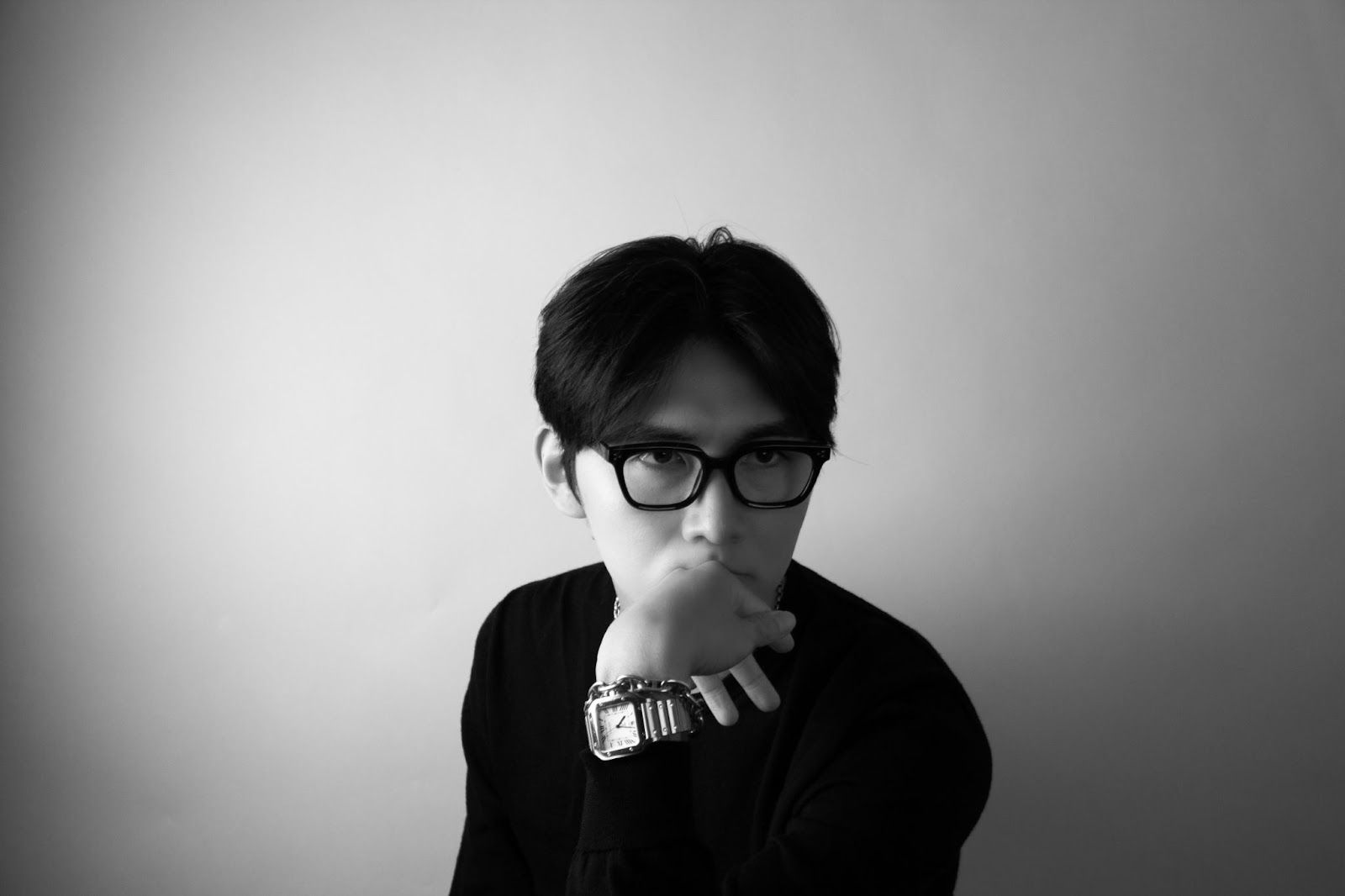
For experiential designer and 3D Design Lead Rachael Lu, that shift is something she experiences firsthand through her own work.
The phrase "wearing many hats" has long existed within creative industries, but Lu believes hybrid creatives represent something more. Rather than simply taking on more responsibilities, the role involves understanding how multiple parts of a process influence one another and filling gaps within the creative process before they become problems.
Q: What does being a hybrid creative actually mean to you?
Rachael Lu: "Being a hybrid creative doesn't mean doing everything. You still have your strongest suit — for me, that's real-time 3D design. What makes people unique is often the transferable skills around it. Being client-facing, understanding project management, and having technical knowledge across graphics and 3D design allows you to connect pieces that might otherwise stay separate."
As projects become increasingly interconnected, creative decisions rarely happen in isolation. Visual design affects fabrication, production constraints influence storytelling, and client feedback can reshape execution in real time. Understanding how these moving pieces interact can become just as important as the final deliverables themselves.
For Lu, being a hybrid creative extends beyond producing visual outputs. On many projects, her responsibilities can shift continuously throughout the day — from leading conversations with clients around goals and creative direction, to discussing strategy and creative priorities with executive producers, to directing 2D and 3D designers on experiential touchpoints and visual systems.
As projects move into production, that process continues evolving. Design discussions can quickly become conversations with fabricators around engineering feasibility, materials, lighting considerations, and budget realities. As new information emerges, environments and renderings evolve alongside them.
The work increasingly becomes less about delivering a single asset and more about preserving the integrity of a creative vision across multiple stages of development.
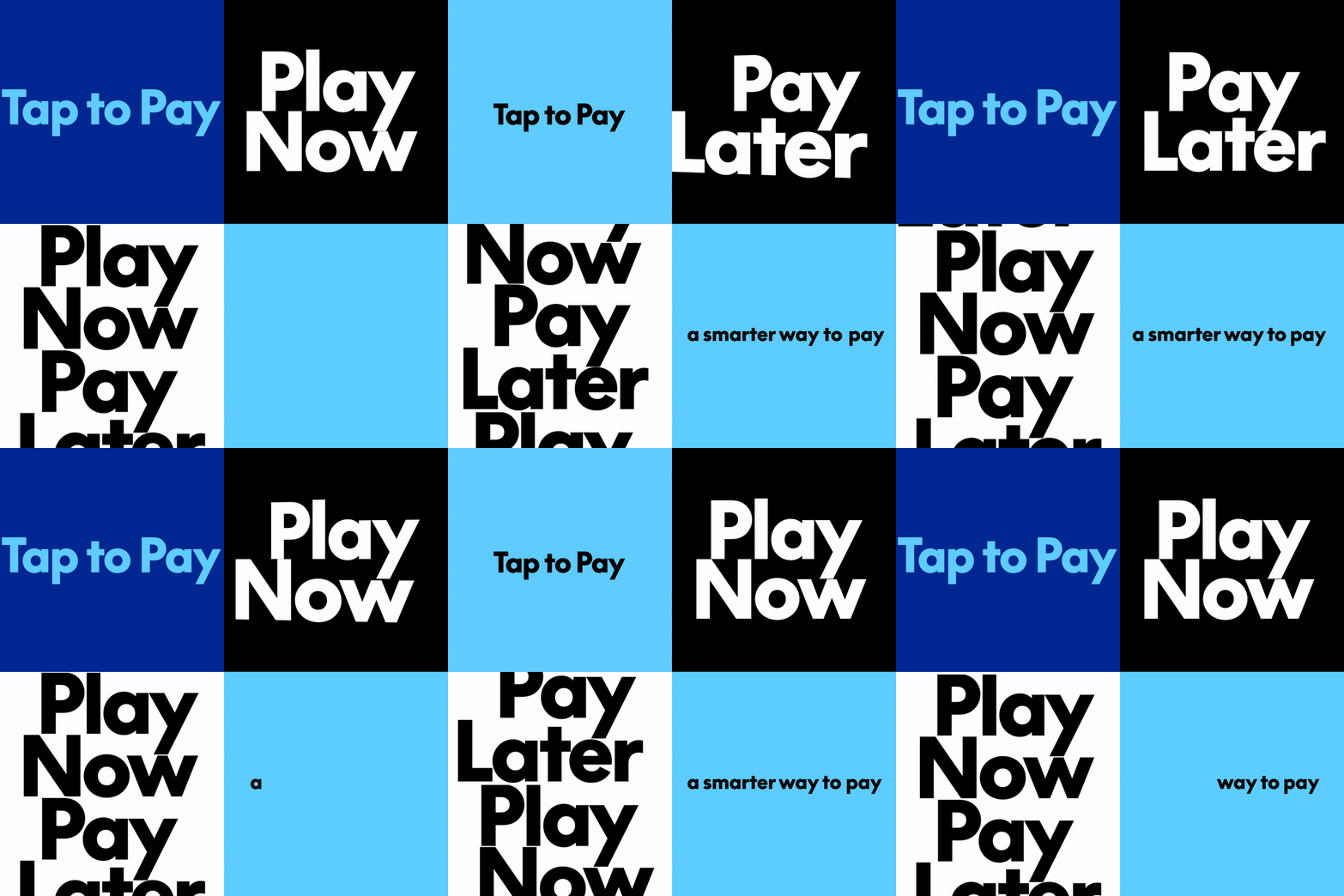
On a recent project at the NFL Rookie Premier, where Fanatics' trading card brand Topps was creating a major experiential presence for the first time, flexibility became essential. Because the activation represented new territory, priorities and creative direction continued evolving throughout the process.
Q: How does being a hybrid creative affect the way you work with clients?
Rachael Lu: "Rather than relying only on static renderings and presentation decks, I use Unreal Engine as an active collaboration tool. We can walk clients through the space in real time, make material changes instantly, test different options, and even build new experiential stations during conversations."
"Most creative directors don't just open up a 3D software and walk clients through a space while making changes live. In a more traditional environment, feedback would be communicated through a producer, then to the creative director, and then finally to the 3D designer responsible. When clients can immediately experience ideas while they're being discussed, the process becomes much more collaborative."
For Lu, the technology itself is not necessarily the focus. The value comes from creating stronger communication and reducing the distance between ideas and execution. Rather than separating creative direction, design, and production into different stages, the process allowed discussions, feedback, and development to happen simultaneously.
According to Lu, that collaborative workflow ultimately helped support a larger vision for the project than what had originally been planned.
Much of Lu's role exists in areas that audiences rarely see. As a 3D lead, understanding a space influences how graphic systems and physical elements should behave within it.
Q: Where do you see your role acting as a bridge between different teams?
Rachael Lu: "As a 3D lead, understanding a space influences how graphics should behave within it. Sometimes there are dimensional signs where we're discussing which parts should physically extrude, which elements should emit light, or what should become neon."
"Those decisions seem small, but they affect how the entire experience feels. You're not just placing graphics into a space. You're creating something where every visual element interacts with the environment around it, including lighting."
"You're tying everything together under the surface. You're filling in gaps within the team before anyone even has to ask."
As AI-assisted workflows and accelerated production schedules continue changing the industry, Lu believes hybrid creatives may continue becoming increasingly valuable, particularly for boutique agencies and lean teams taking on larger projects.
Q: Where do you see the industry moving over the next few years?
Rachael Lu: "I think people like this help boutique agencies take on larger projects with major clients because they streamline workflows and create more flexibility."
"With AI and emerging tools, multidisciplinary designers can do more than they could before. Smaller teams can create work that previously required much larger groups."
"The future may not necessarily belong to people who can do everything, but to people who can connect things."
As experiential design continues evolving, creative value may increasingly come not from doing more, but from bringing people, ideas, and processes together in ways that feel seamless — even when much of that work happens behind the scenes.