
2026-07-30
Emma Fitzgerald
Design Dispatch, New York

Over the past several years, Icelandic documentary filmmaker Gríma Irmudóttir has pursued a single, steady inquiry: not the moment of rupture itself, but what comes after. Her films linger in the space where people begin to understand what has been lost, what remains, and how daily life remakes meaning. Loss, memory, identity, and community unfold through routines, conversations, and shared rituals rather than declarative statements.
Irmudóttir’s practice privileges observation over exposition. Rather than relying on narration or overt argument, she allows landscapes, gestures, and silence to carry emotional weight alongside the people on screen, creating room for audiences to arrive at their own understanding. “I've become more comfortable trusting the audience,” she says. “Not every feeling needs to be explained. Sometimes if you spend enough time observing a person or a place, meaning reveals itself naturally.” Before earning her MFA in Documentary Media at Northwestern University, she worked in Iceland's documentary and television industries as a director, producer, researcher, and cinematographer—an experience that helped refine the observational approach that now defines much of her work.
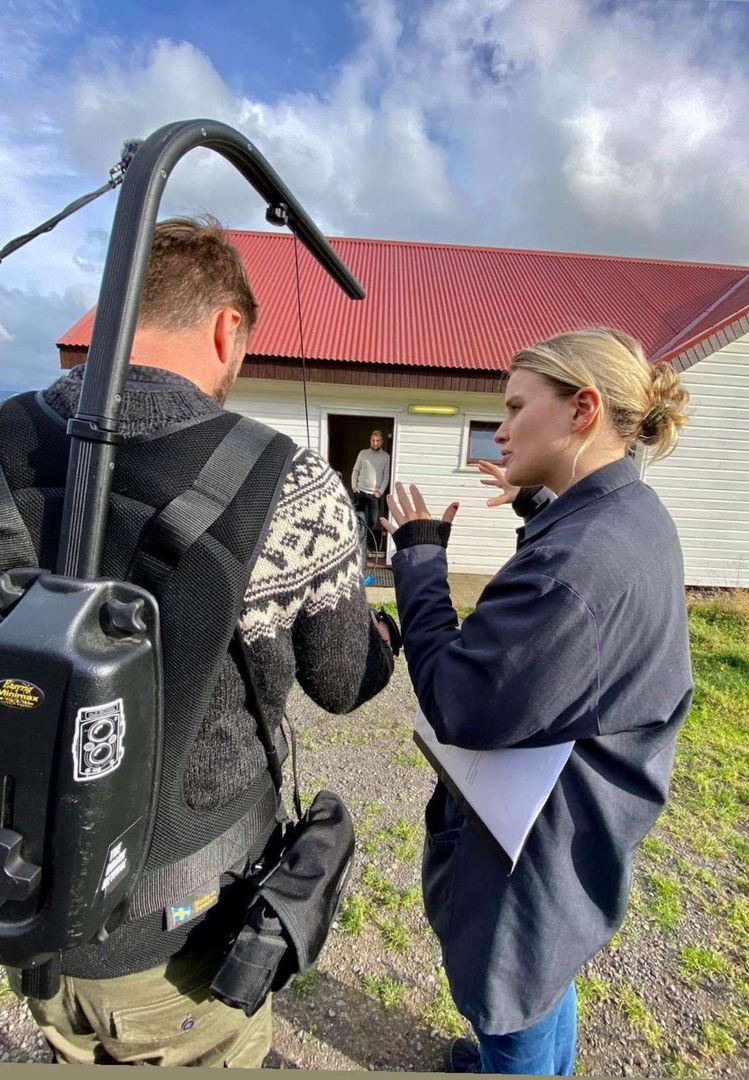
In Irmudóttir’s films, place is never mere scenery. Mountains, coastlines, weather, and open expanses carry memory, shape identity, and quietly inform the emotional lives of the people who inhabit them. That relationship between people and place runs through projects such as Nature Bonds, Heima, and Memory Traces: landscapes are active participants in the stories her films tell. “We're surrounded by nature, but we're not necessarily connected to it,” she says. “I think storytelling has the ability to rebuild that connection.”

Her 2023 co-directed short Nature Bonds tracks an environmental activist, a dancer, a scientist, and a biologist as they move through Icelandic landscapes and reflect on environmental change and their evolving relationship with the natural world. Rather than framing the climate crisis through data or political debate alone, the film explores how emotion, lived experience, and personal history shape care for place. The film received multiple international awards, including the SONY Prize for Best Cinematography at the Cervino Cinemountain Film Festival and a Special Mention at the Reykjavík International Film Festival.
Between feature and short formats, Irmudóttir often serves as her own cinematographer. For her, the camera is less a recording device than an extension of the way she experiences a place: a tool for wandering, noticing, and attending. “Cinematography, for me, is a meditative practice,” she says. “It allows me to wander, to explore, to notice details that I might otherwise miss. The camera becomes a way of paying attention.”
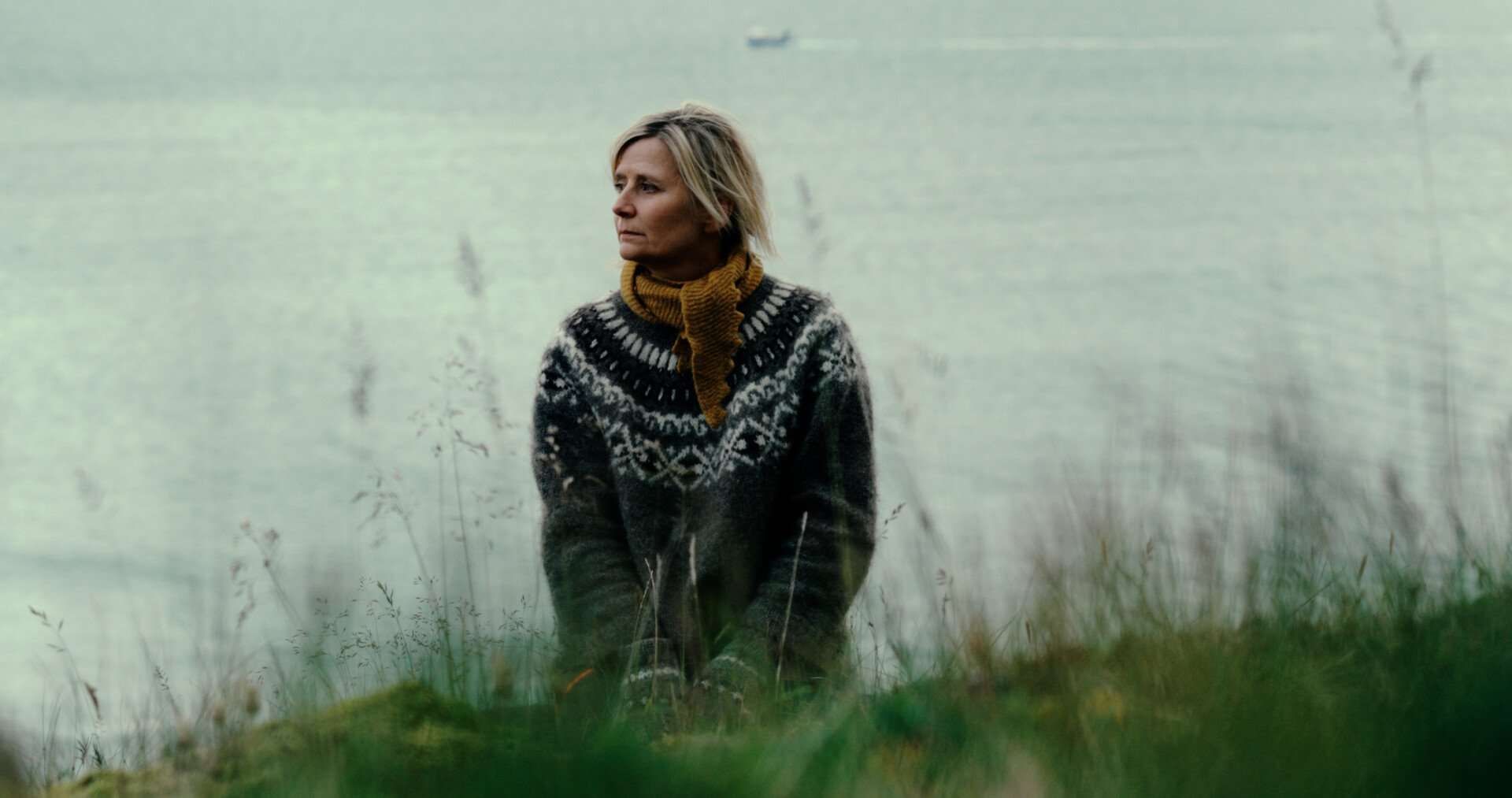
Irmudóttir’s MFA film Memory Traces follows her, her mother, and her sister as they travel into Iceland’s Highlands to place a memorial stone for her father after his long terminal illness. The film avoids conventional memoir techniques—there is no reconstruction through interviews or narration. Instead, meaning emerges through the drive, the changing weather, shared silences, and the physical act of carrying the stone. Memory Traces received the Best Icelandic Short Film Award at the Reykjavík International Film Festival, screened at the Oscar-qualifying Big Sky Documentary Film Festival, and earned a Gold Telly Award.
More recently, Irmudóttir has expanded her inquiry from individuals and families to larger social contexts. Her first feature documentary follows the nearly 200-year-old Sisters of Providence of Saint Mary-of-the-Woods, Indiana, as the congregation navigates a leadership transition and reflects on the future of religious life while continuing its long-standing commitment to social justice. Rather than examining the institution itself, the film centers on the women who sustain it through their friendships, shared traditions, humor, and collective discernment. In doing so, it explores how a community preserves its identity while remaining open to change. "I'm drawn to communities that are asking difficult questions about who they are becoming," she says.
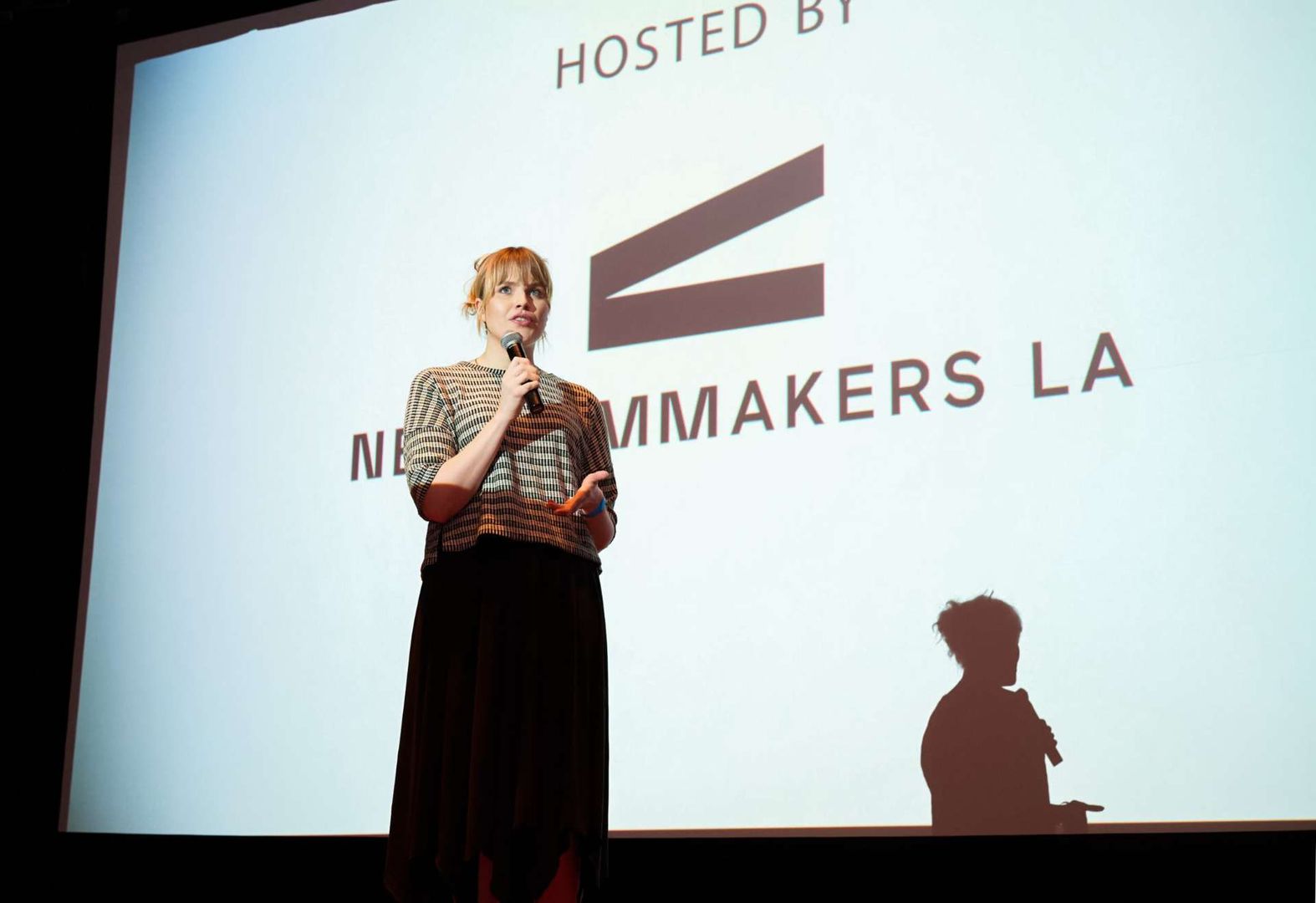
Irmudóttir's work continues to resonate beyond the screen through festival conversations and public discussions. Following screenings, she has participated in Q&As with audiences, reflecting on her creative process, the ethical questions that shape her documentaries, and the themes that continue to emerge through her work. "The most meaningful conversations are the ones that continue after the credits," she says. "If a film creates space for people to see one another differently, then it has already begun to do its work." These conversations have become an extension of her filmmaking practice, transforming each screening into an opportunity for dialogue, reflection, and connection.
Across shorts, television work, and feature-length projects, Gríma Irmudóttir's films form a consistent line of inquiry into memory, place, and belonging. As she continues to develop new work in Iceland and the United States, that commitment remains unchanged. Whether documenting intimate family stories or communities navigating change, her films are grounded in the belief that documentary is, above all, a collaborative act built on trust and careful listening. For Irmudóttir, that is what continues to draw her back to the medium. "Every film begins with a conversation. It's a collaborative process built on curiosity, trust, and the belief that listening carefully can reveal something we couldn't have discovered alone."


