SHORTLISTED
Spring 2026 - SHORTLISTED
Pulse in Motion : Heart of the Urban Running Community
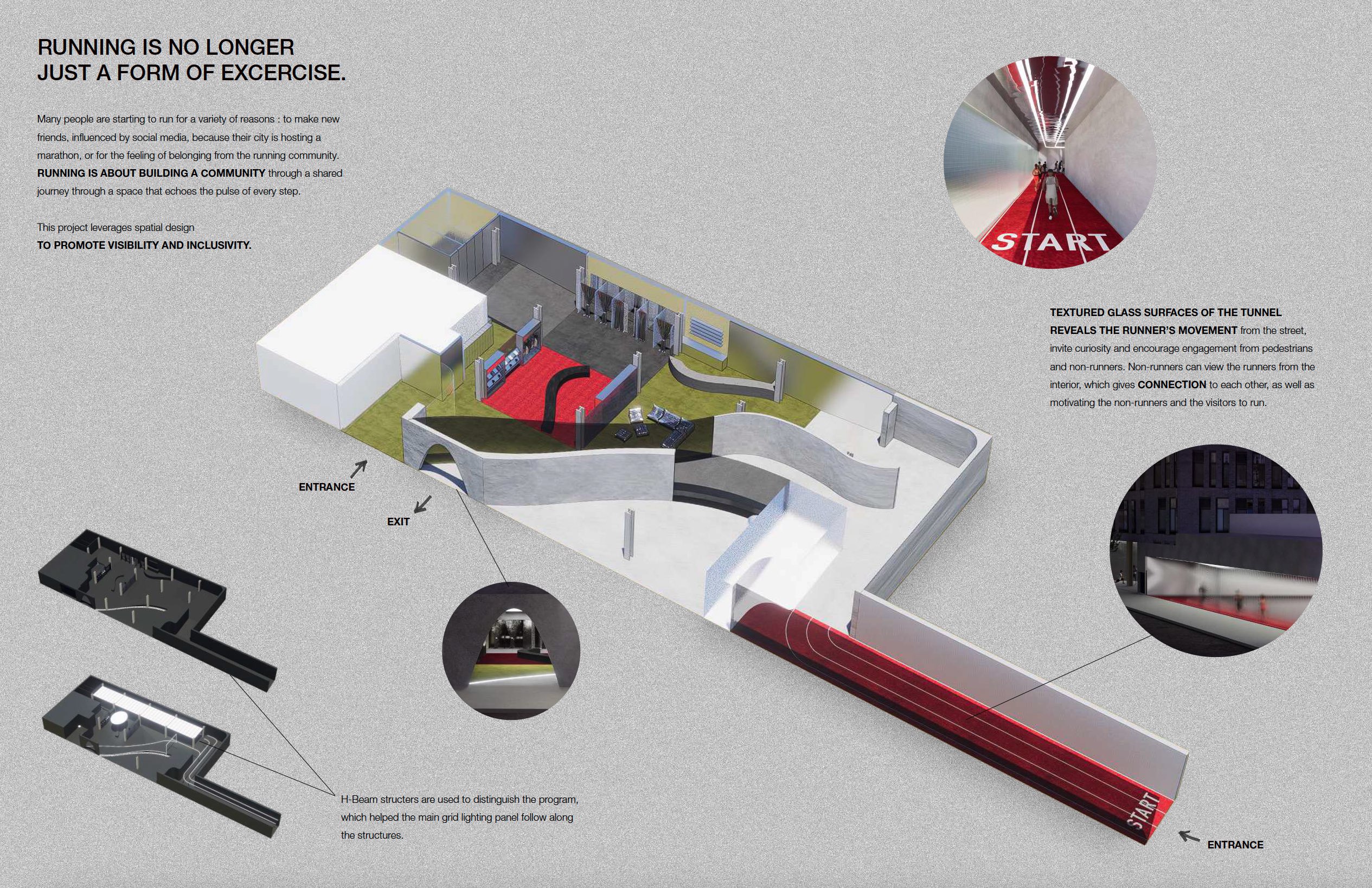
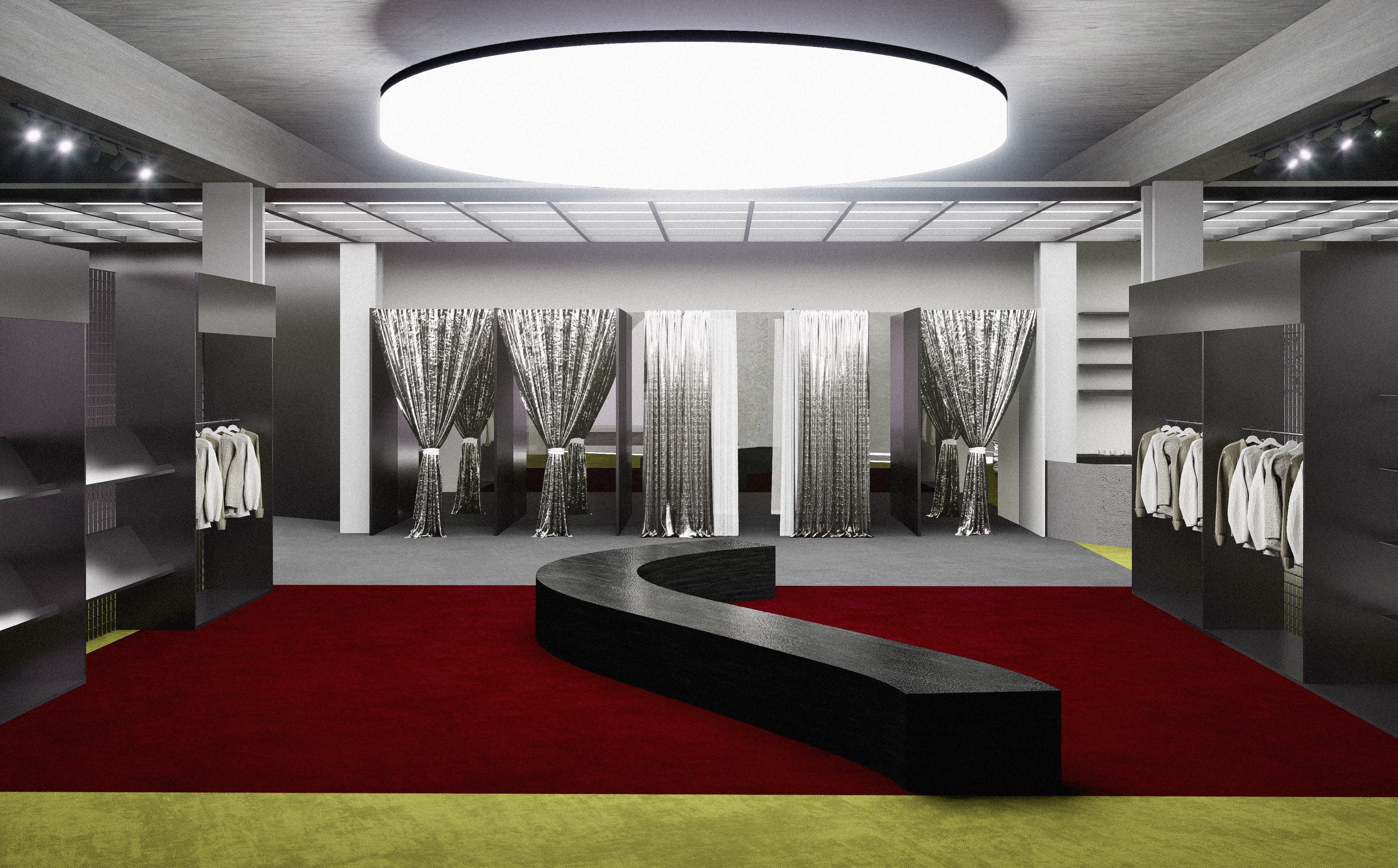
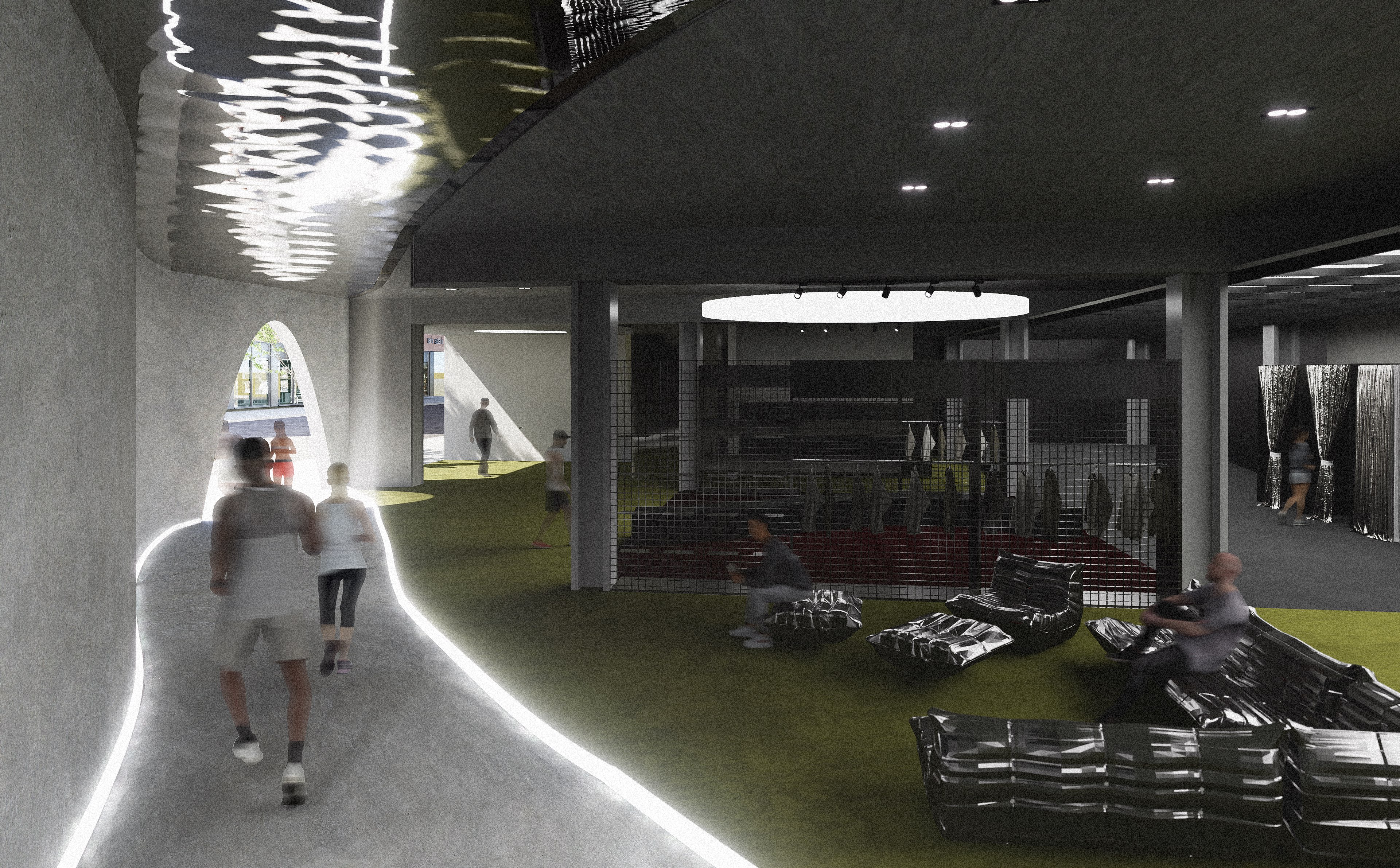
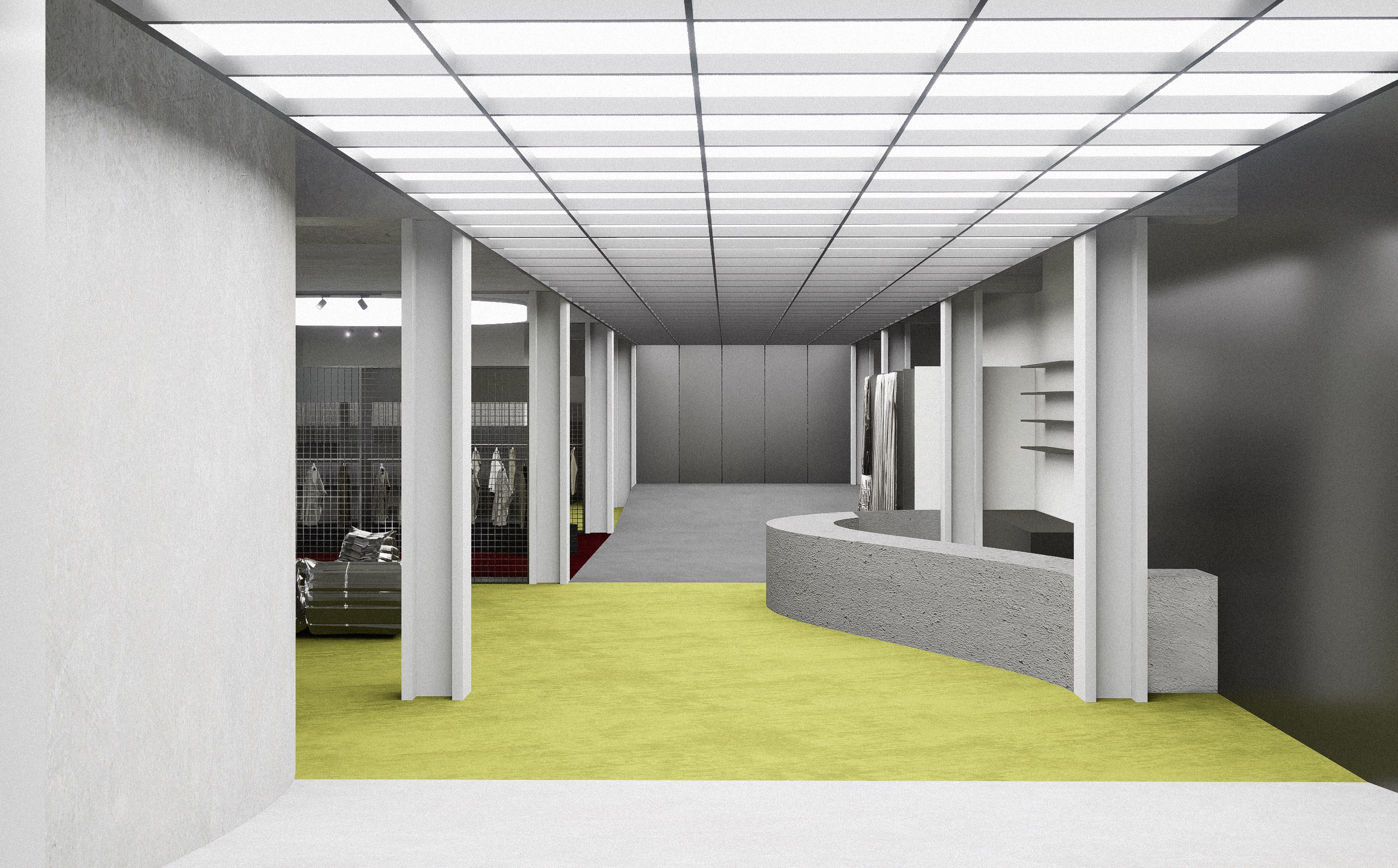
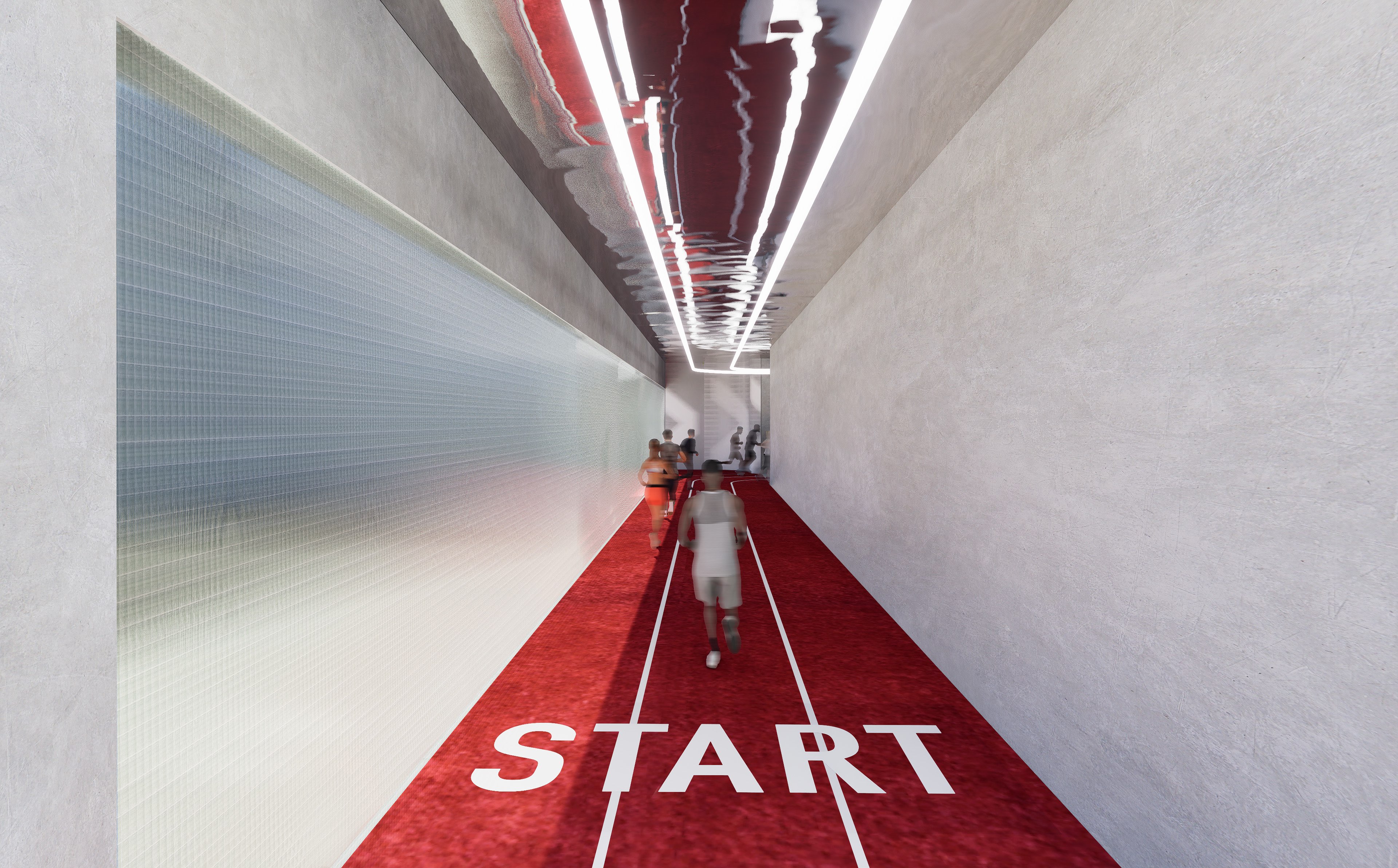
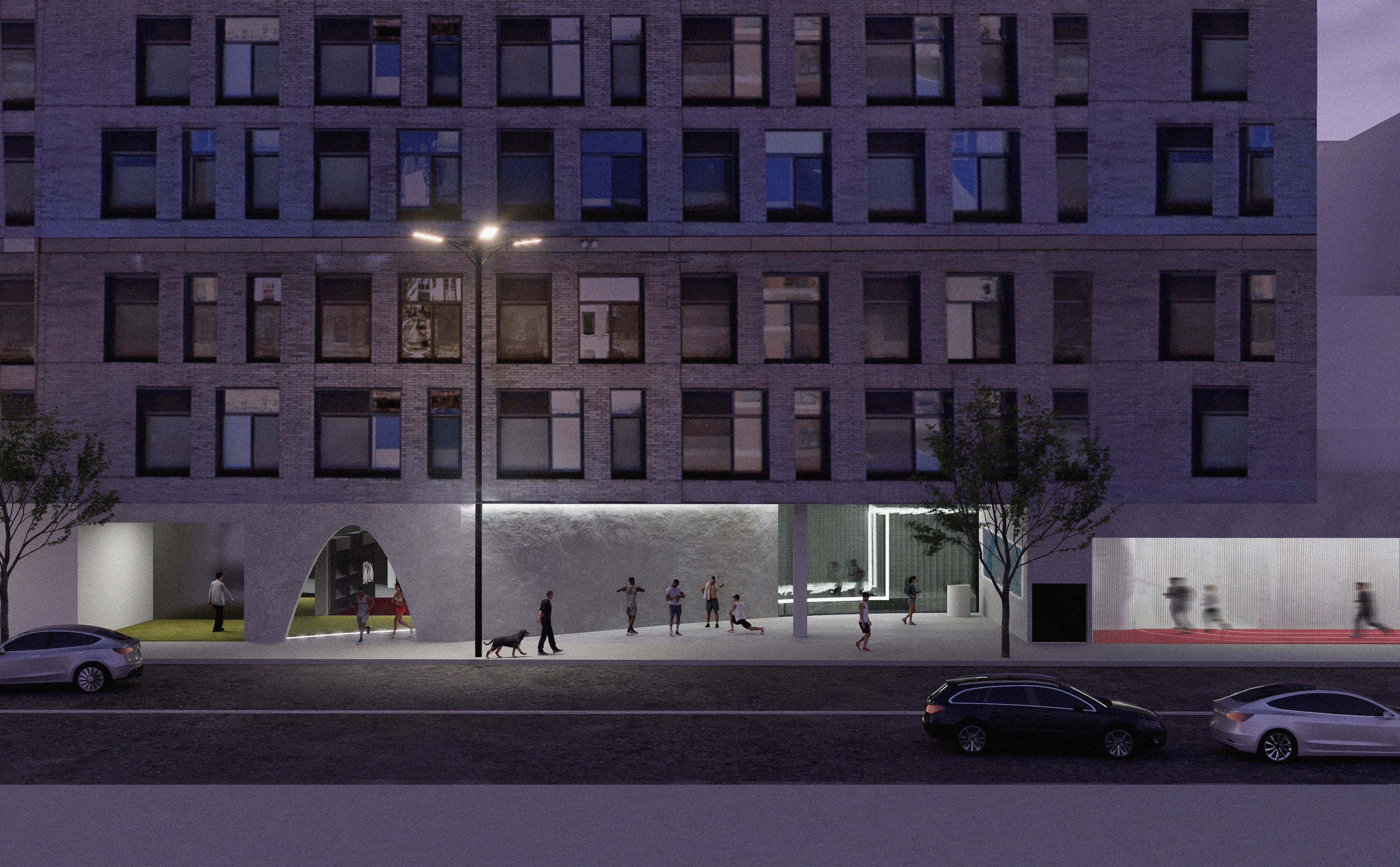
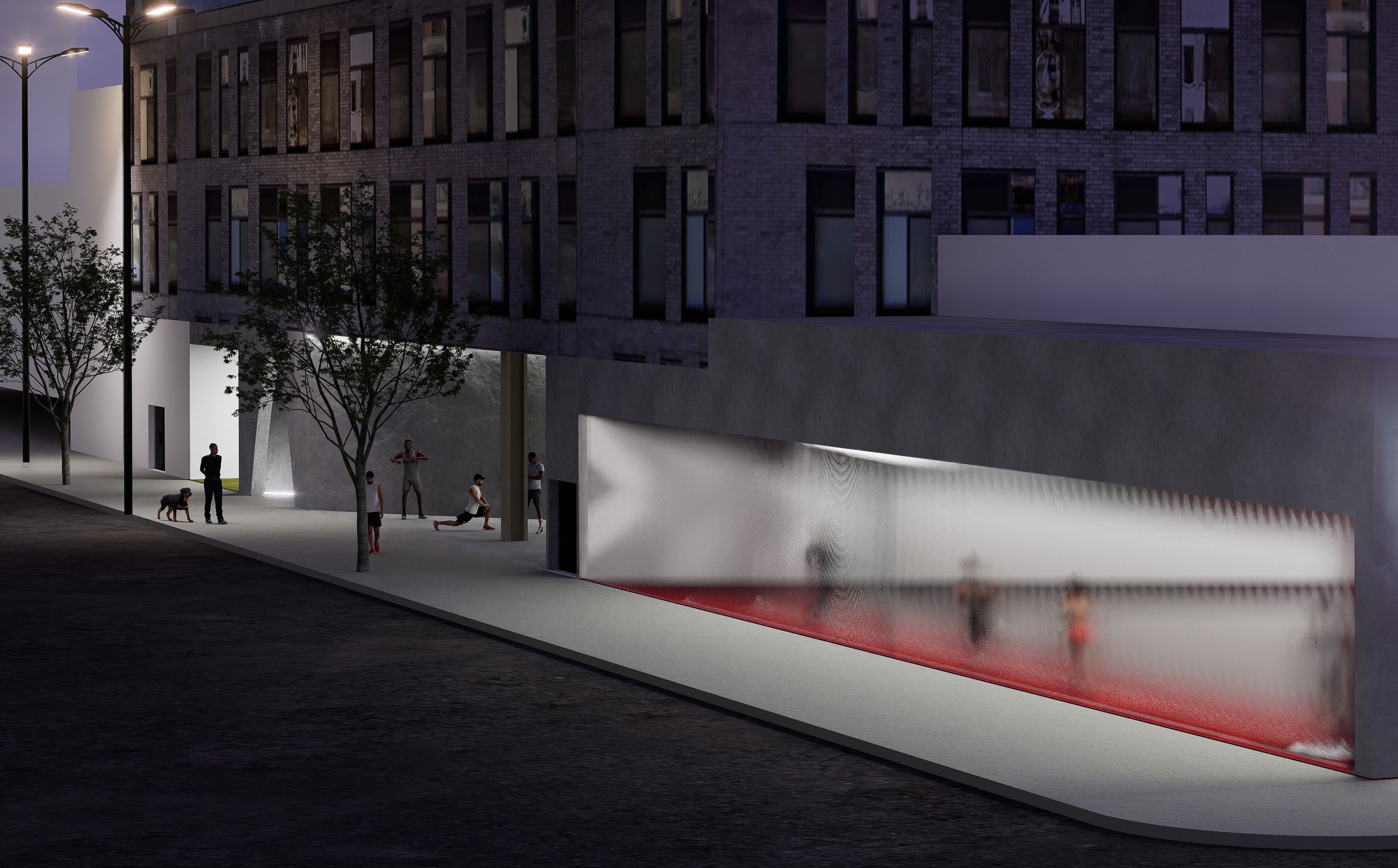
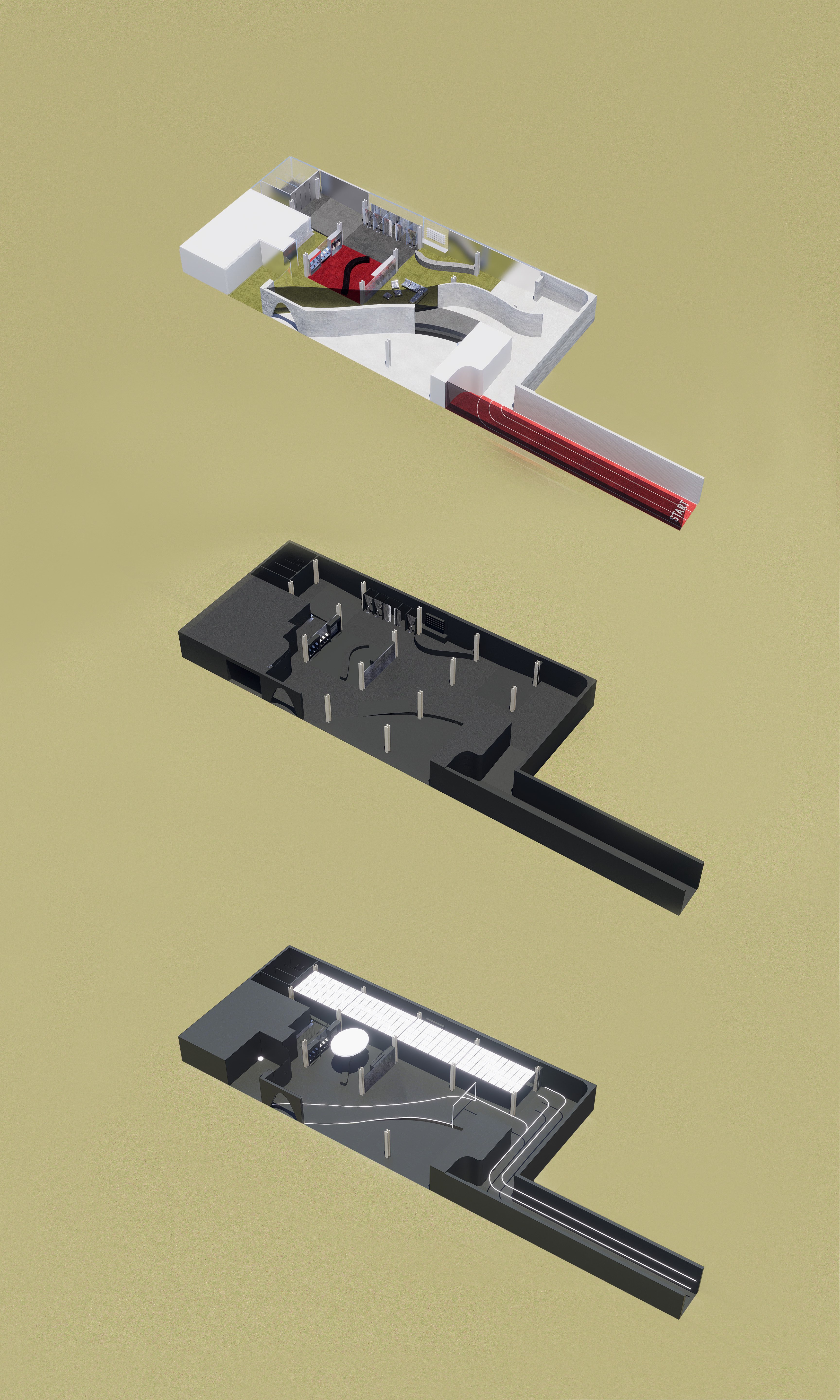
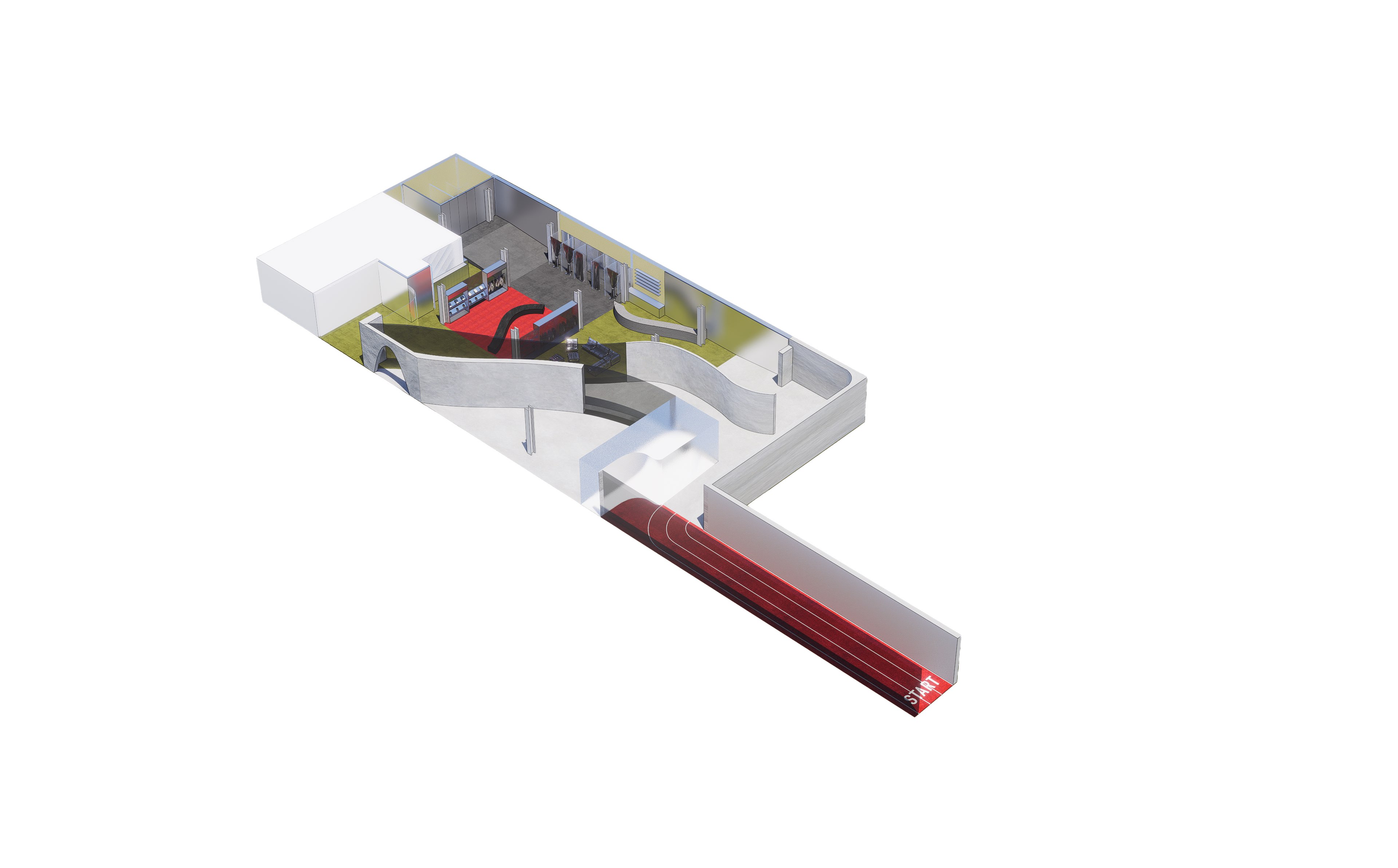
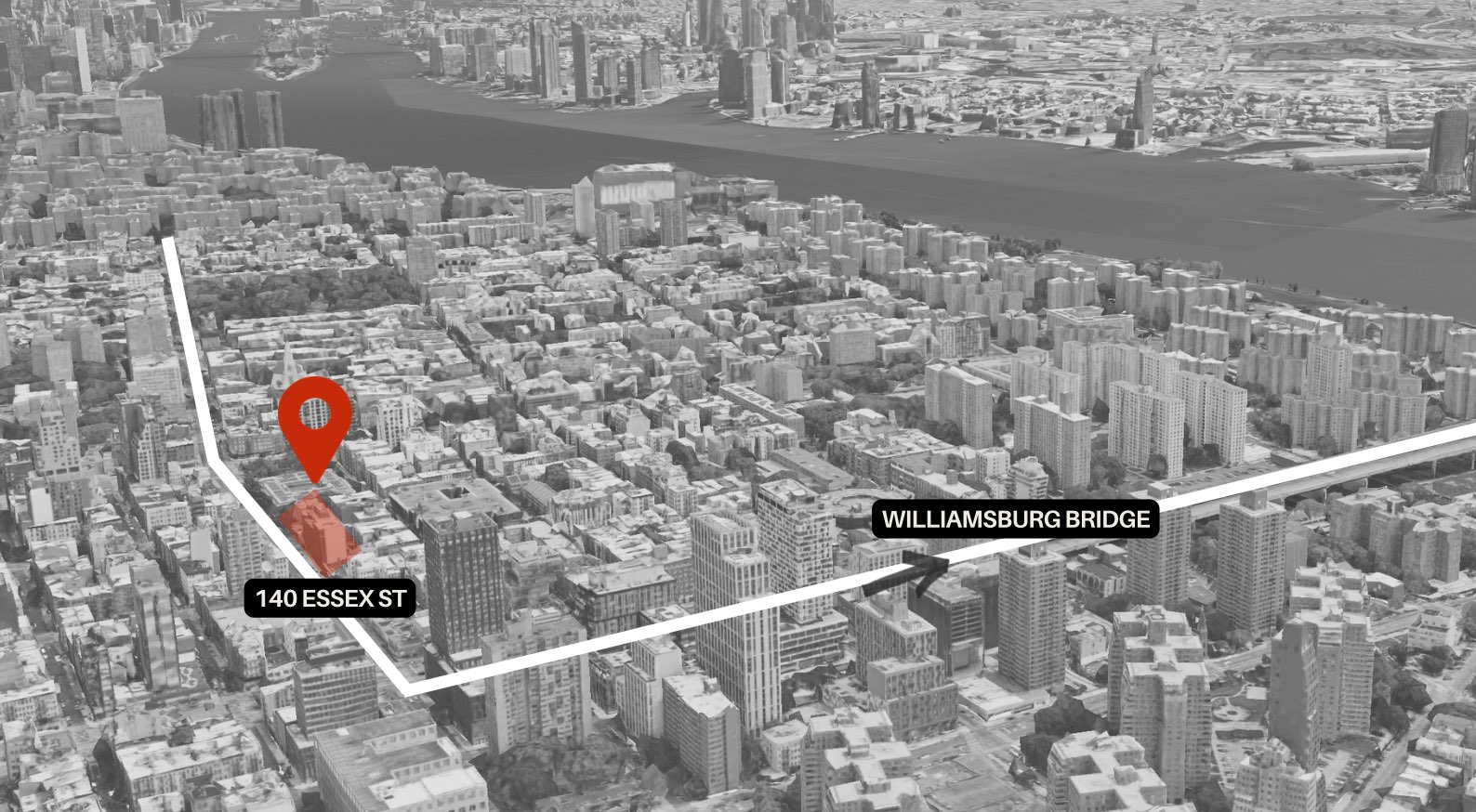
Introduction Running is no longer just a form of exercise. Many people are starting to run for a variety of reasons : to make new friends, influenced by social media, because their city is hosting a marathon, or for the feeling of belonging from the running community. Running is about building a community through a shared journey through a space that echoes the pulse of every step. Over the past two decades, urban running crews like Bridge Runners have redefined running as a cultural movement. Centered on connection and exploration of the city, their influence has spread globally. Despite their impact, these communities still lack a dedicated home. Runners gather in borrowed venues like restaurants and bars, which are temporary and disconnected from the rhythm of the run. These spaces lack the infrastructure for movement-based preparation, post-run recovery, or meaningful connection. More critically, they offer no visibility for the running culture. They are hidden, temporary, and disconnected from the urban fabric. Solo and beginner runners struggle to find guidance for running or about the community; while visitors or non-runners find it hard to integrate with local groups. This project leverages spatial design to promote visibility and inclusivity. Features like the running tunnel, with its rhythmic lighting and textured glass surfaces that reveal runner’s movement from the street, invite curiosity and encourage engagement from pedestrians and non-runners. These sensorial strategies make running not just an activity, but a visible cultural expression in the city. Interior and lighting design can and should fill this gap, creating a space that supports the urban running community. Site : Integrating with the Urban Running Landscape The selection of Essex Street near Williamsburg Bridge is a strategic site that integrates into the urban running landscape. This location lies at the intersection of several popular running routes, making it an accessible and familiar spot for local runners. The proximity to the Williamsburg Bridge, a landmark that attracts both local and visiting runners, ensures high visibility and traffic, which is essential for building a strong sense of community. Existing running crews and individuals who frequent the bridge already pass through this area, making it an ideal location for a dedicated space that serves as a central gathering point as a heart, and movement as a pulse. Concept : Pulse in Motion The concept of “Pulse in Motion” draws inspiration from the rhythmic energy of running, with “pulse” symbolizing the movement, energy, and flow that drive the sport. In this context, the pulse represents not only the heartbeat of a runner but also the vibrancy and visibility of the community and the space, reflecting the contrast between the runner’s pre- and post-run states. Before a run, the body is filled with anticipation and tension, while after a run, there is a release and a sense of relaxation. This interplay between energy and calm will be represented through spatial elements; lighting will shift from bright, energizing tones to softer, more relaxed hues as runners transition through the space. Colors such as hued lime and red of the materials will also play a crucial role, with and smooth velour carpet flooring to feel comfortable before and after the run. In contrast, hard yet adequate flooring material for the running tunnel and linear ceiling lighting design with reflective ceiling material follows the route of the running tunnel. The lighting design will evoke the feeling of movement in the tunnel. Reflective finishes in the interior gives calmness and coolness after a run. The design will create a continuous flow, guiding runners from preparation to motion to recovery, with each space designed to amplify the feeling of connection, rhythm, and energy inherent in running. Design Elements : Translating Pulse into Spatial Design The hub translates the pulse and rhythm of running into spatial elements. Essential to the design is the “Running Tunnel,” a transitional corridor that captures and projects the momentum of motion. Within the tunnel, linear ceiling lighting with the ripple reflective material on the ceiling visualizes the flow of energy, transforming the solitary act of running into a collective, immersive experience. As runners progress, the lighting sequence serves as intuitive way finding— either extending the path toward the tunnel’s end or signaling entry into the hub’s interior spaces. The linear lighting transitions from vivid, energizing tones to subdues, restorative hues, mirroring the runner’s shift from motion to recovery. The Running Tunnel distills the raw energy of movement into a tangible, spatial narrative. The Before & After Run Facilities provide essential amenities including storage, changing areas, and recovery zones, which are designed to ensure comfort and convenience for all runners. A dedicated resource space offers information on training, gear, and community events, supporting both solo runners and newcomers. The design employs principles of contraction and expansion, working within the constraints of the existing structure. Exposed H-beam define and organize programmatic zones, guiding visitors through a series of spatial transitions. Variations in ceiling lighting articulate these shifts, allowing runners to intuitively perceive the changes in function as they move through the space. Interactive elements like responsive lighting and temperature-controlled zones echo the runner’s emotional and physical journey, creating a dynamic environment that balances individual recovery with collective connection. Runners gathering and stretching at the entrance activate the streetscape, drawing the attention of pedestrians and encouraging them to explore the interior space. A large digital facade (Exterior View 1) further engages the public, featuring dynamic imagery and regularly updated information about running and community events, connecting the hub with the surrounding urban environment. This design encourages these behaviors by creating a fluid interface between interior and exterior, where visual transparency, ambient cues, and communal energy invite passerby to pause, engage, and ultimately become part of the running culture.
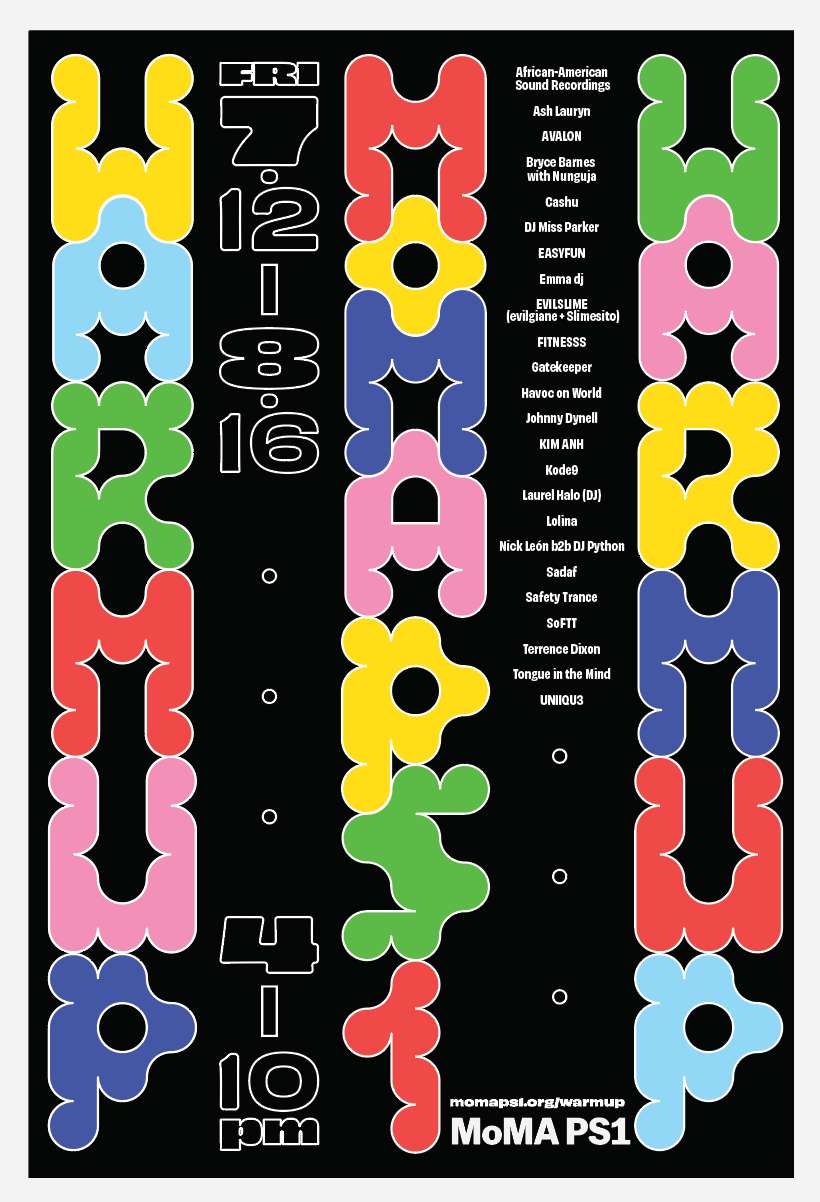
MoMA PS1 Warm Up Festival Rebranding

.png?alt=media&token=23d27bc8-fe00-44ec-99e4-2a409d860c3d)