2026-02-16
Lauren Rodriguez
Design Dispatch, New York
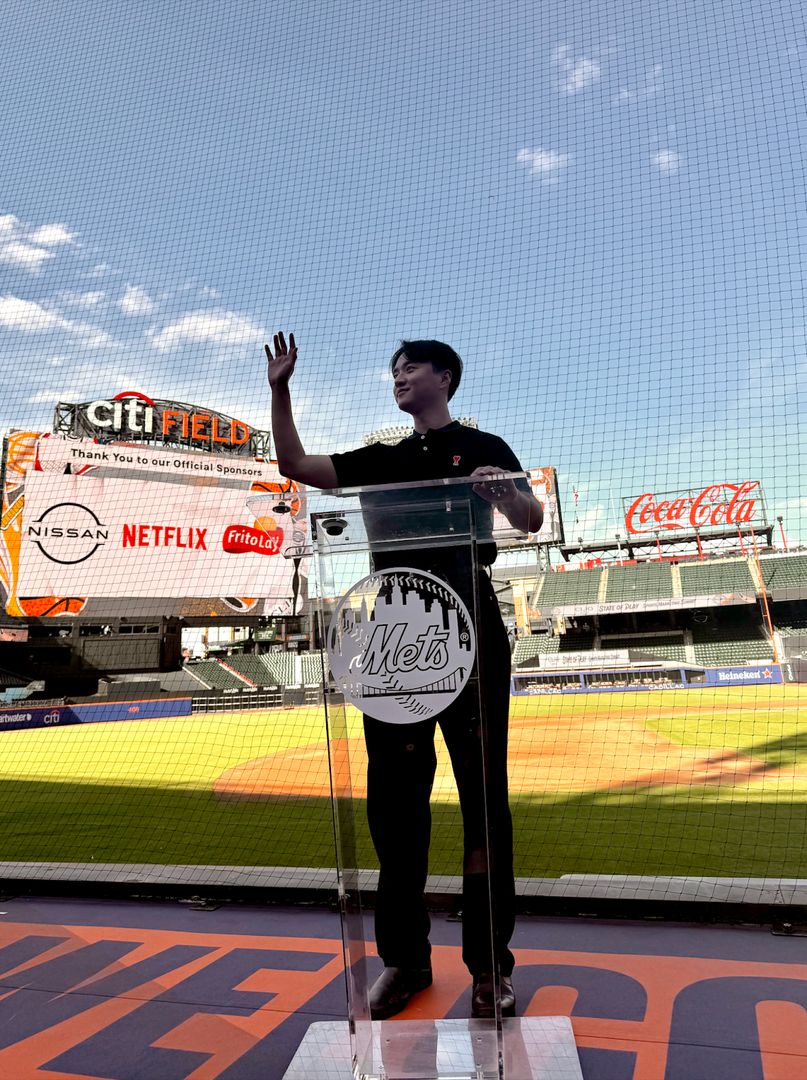
New York based Korean art director Geumjae Lee belongs to a new generation of creatives challenging what advertising is expected to do. Drawing from a wide range of interests across design, technology, and culture, Lee approaches advertising not as a vehicle for promotion, but as a system that shapes how people see, choose, and participate in the world around them.
Rather than committing to a single aesthetic or discipline, Lee’s work moves fluidly between platforms and formats. His ideas are rooted in observation, paying close attention to how culture behaves in real time. From personalization to trust, from access to representation, his projects reflect a consistent belief that advertising should evolve alongside the people it serves.
“Good advertising doesn’t just promote products,” Lee says. “It creates culture.”
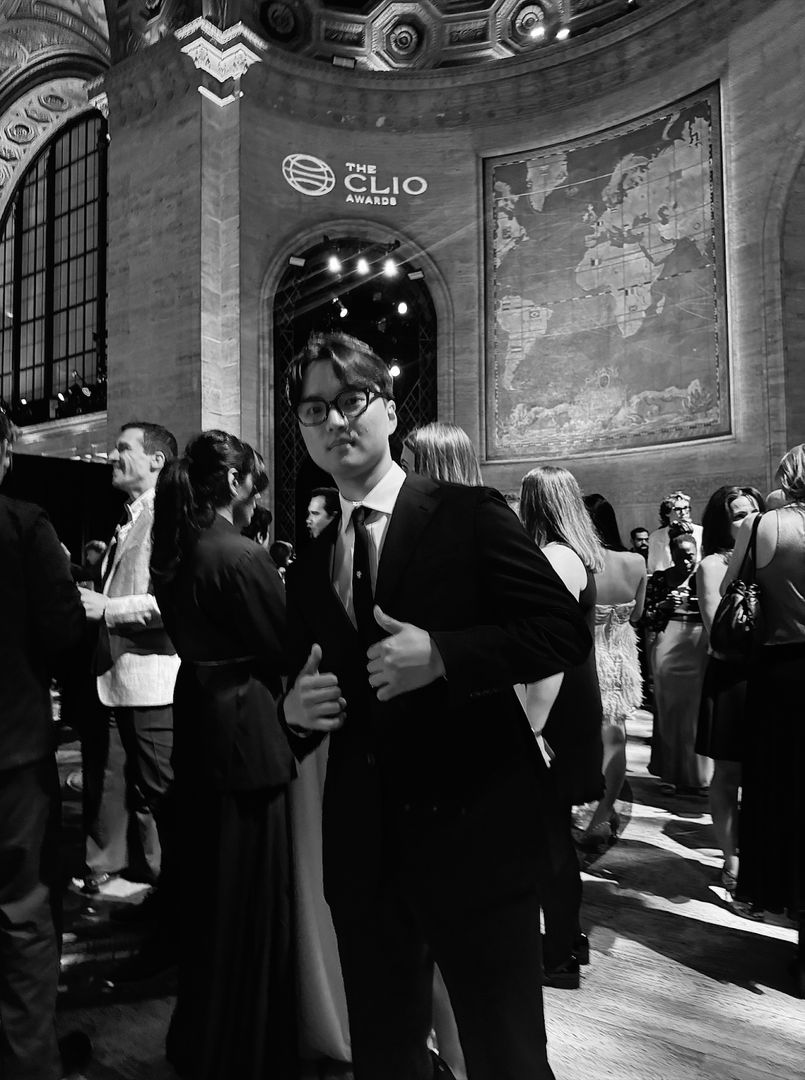
That perspective gained global recognition in 2025. Over the course of a single year, Lee earned 35 international advertising awards, with wins and honors across nearly every major global competition, including Cannes Future Lions, Clio Awards, New York Festivals, Young Ones, and D&AD, as well as recognition from the ANDY Awards, MAD Stars, and ADDYs.
Such a concentration of awards within one year is rare, particularly for an emerging creative. More importantly, the breadth of recognition across different juries and regions signaled that Lee’s work resonated beyond style. It reflected a broader shift within the industry, one moving away from surface level messaging toward ideas that influence culture at a structural level.
At the center of Lee’s creative philosophy is a simple but firm conviction. Advertising should not exist merely to persuade. It should exist to participate.
In an era where individuality, diversity, and personalization define identity, Lee believes advertising must move beyond one directional communication. Instead, it should function as cultural infrastructure, shaping the conditions in which norms, behaviors, and values take form.
“Products change fast,” he explains. “Culture is what stays. Advertising has the power to decide which behaviors feel normal, which voices feel visible, and which ideas feel acceptable.”
This way of thinking has guided Lee’s approach to brand work. The goal is not to insert messages into culture, but to build ideas that live inside it and move with it.
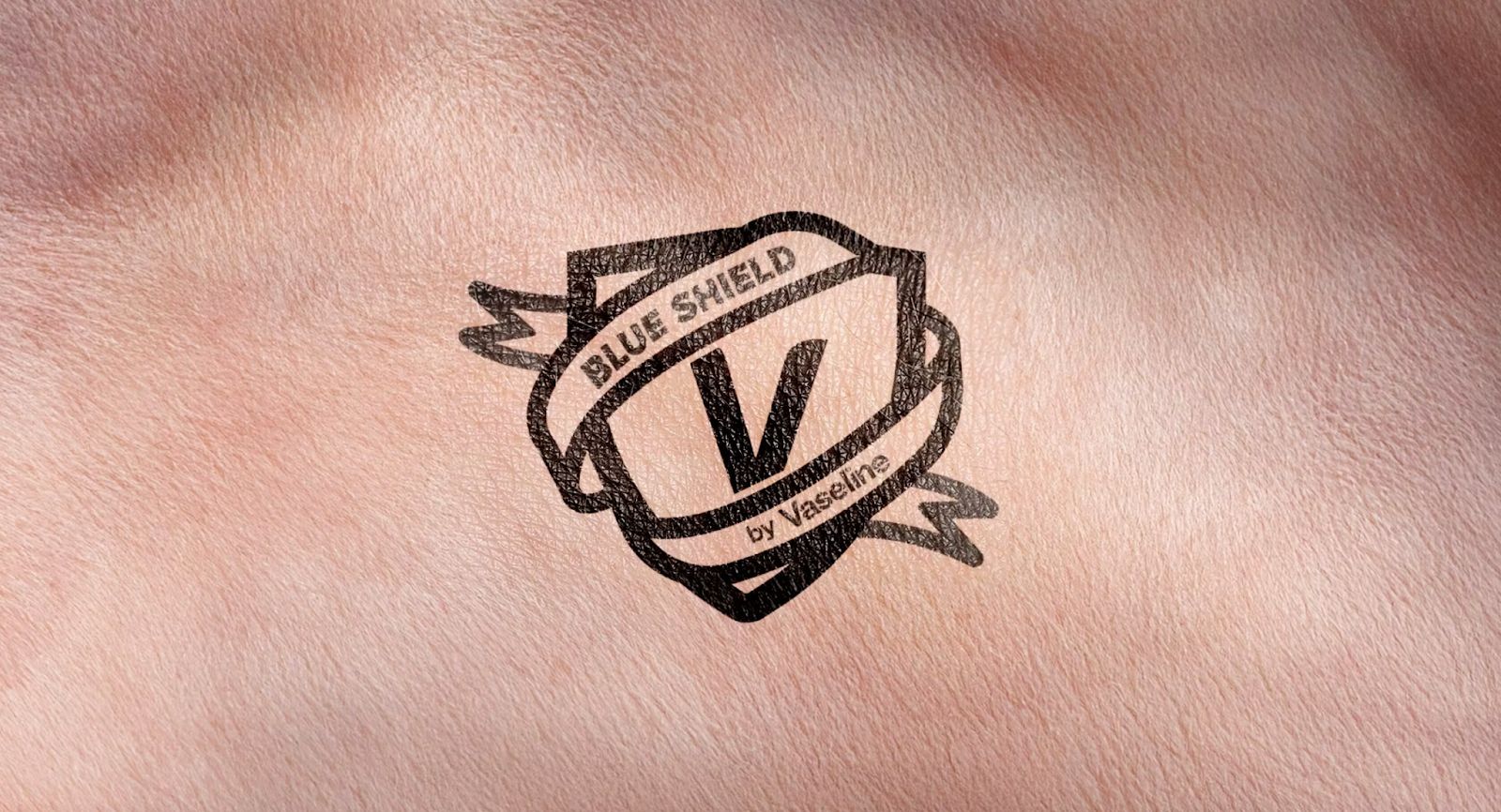
One example of this approach is Vaseline Blue Shield, a project that addressed a real world problem beyond traditional brand promotion. As the U.S. tattoo industry continues to grow, hygiene standards have struggled to keep pace. Each year, an estimated two million infections are reported due to the lack of consistent regulation.
As a trusted name in tattoo aftercare, Vaseline was positioned not just to respond, but to lead. Blue Shield proposed a new sanitation standard designed to help tattoo parlors maintain cleaner environments and help customers feel safer.
Rather than focusing on awareness alone, the project reframed Vaseline’s role within tattoo culture, extending trust from aftercare into prevention. The impact was not defined by visibility, but by protection. It demonstrated how a brand could contribute meaningfully to public well being while setting a higher industry standard.
Lee’s work consistently resists the idea of advertising as a one time announcement. He is less interested in campaigns that speak, and more focused on ideas that function.
“Messages disappear quickly,” he says. “But systems stay. If advertising can change how something works, even slightly, it becomes part of everyday life.”
This mindset has shaped how Lee selects projects and measures success. Awards and recognition matter, but only as indicators of relevance, not as end goals. What matters more is whether an idea leaves behind a lasting shift in behavior, perception, or access.
Working as a Korean creative based in New York has also shaped Lee’s outlook. Moving between cultures has taught him that no single point of view should dominate. Cultural flexibility, he believes, is essential in an industry that operates globally but often speaks narrowly.
“When you exist between cultures, you learn to listen more than you speak,” he says. “That sensitivity helps you design ideas that adapt instead of impose.”
It is this ability to translate nuance into scalable ideas that has positioned Lee as a voice to watch in the evolving advertising landscape.
Lee measures success not by how loud an idea is, but by how long it lasts. His ambition is to continue creating work that makes culture more inclusive, systems more thoughtful, and everyday experiences more intentional.
Currently based in New York, Lee is studying Advertising at the School of Visual Arts, with graduation expected in May 2026. As his practice continues to grow, one principle remains constant.
Good advertising, in Lee’s view, does not simply promote what exists.
It creates the culture that follows.