WINNER WINNER WINNER WINNER WINNER WINNER WINNER
Winter 2025 - WINNER
Told You Twice
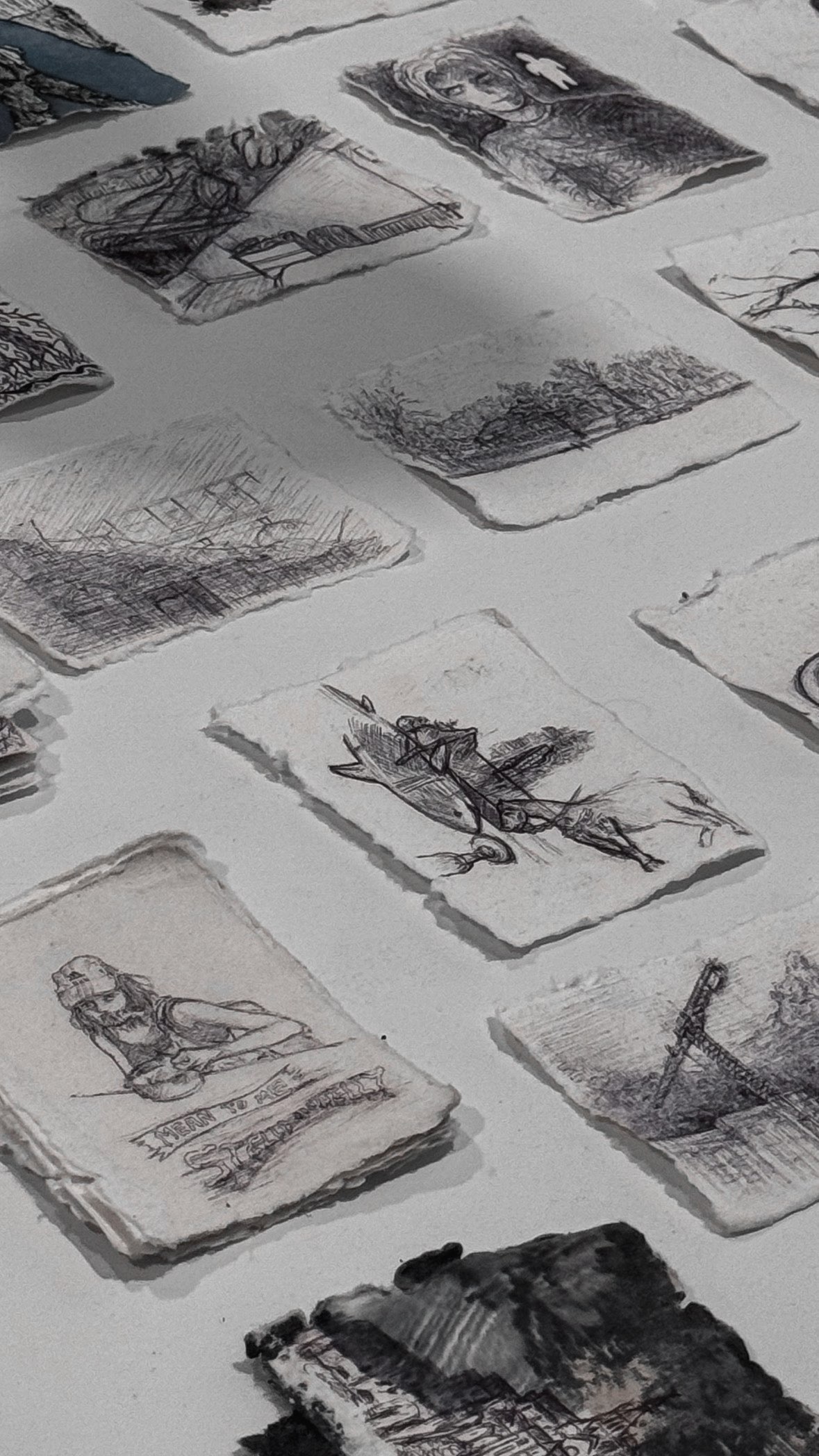
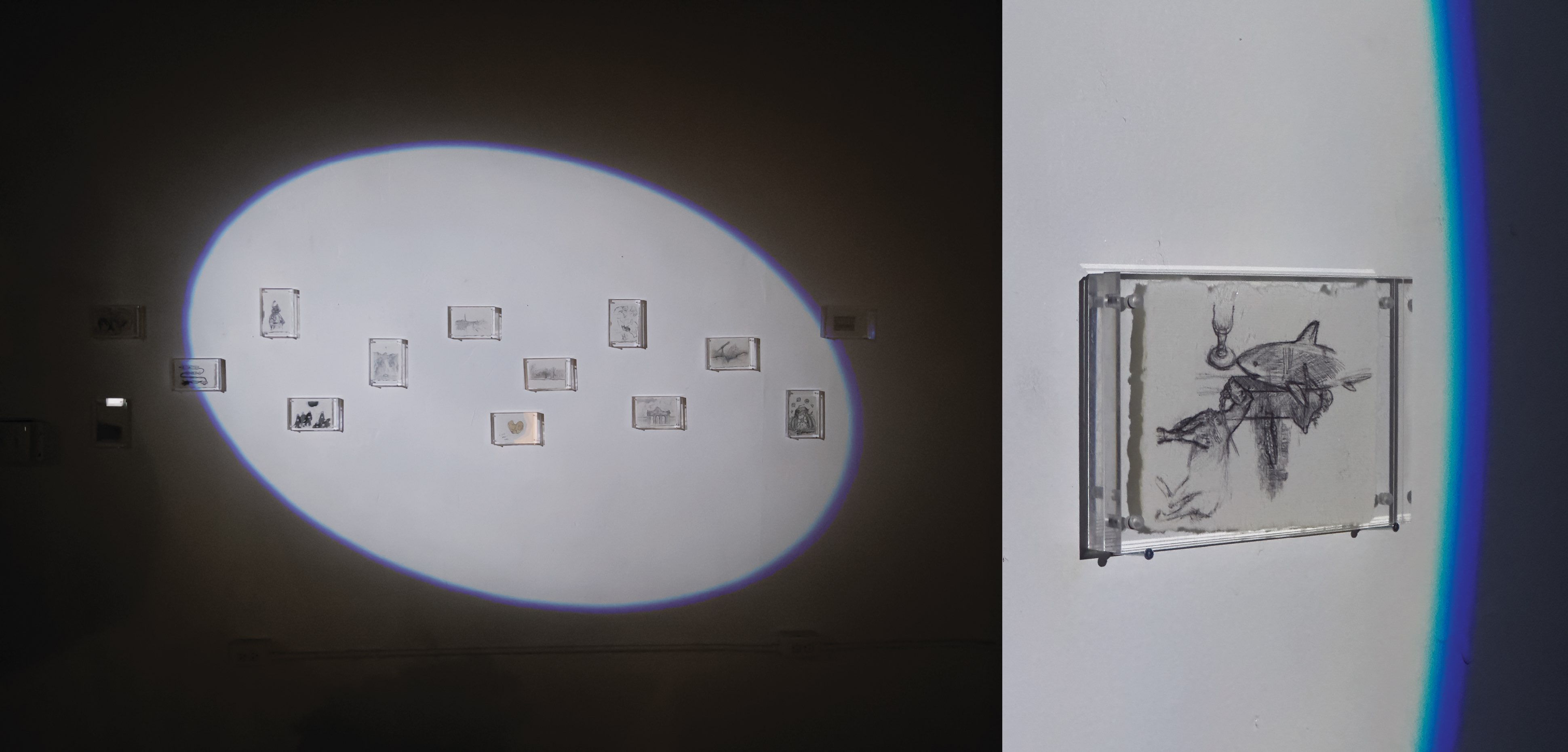
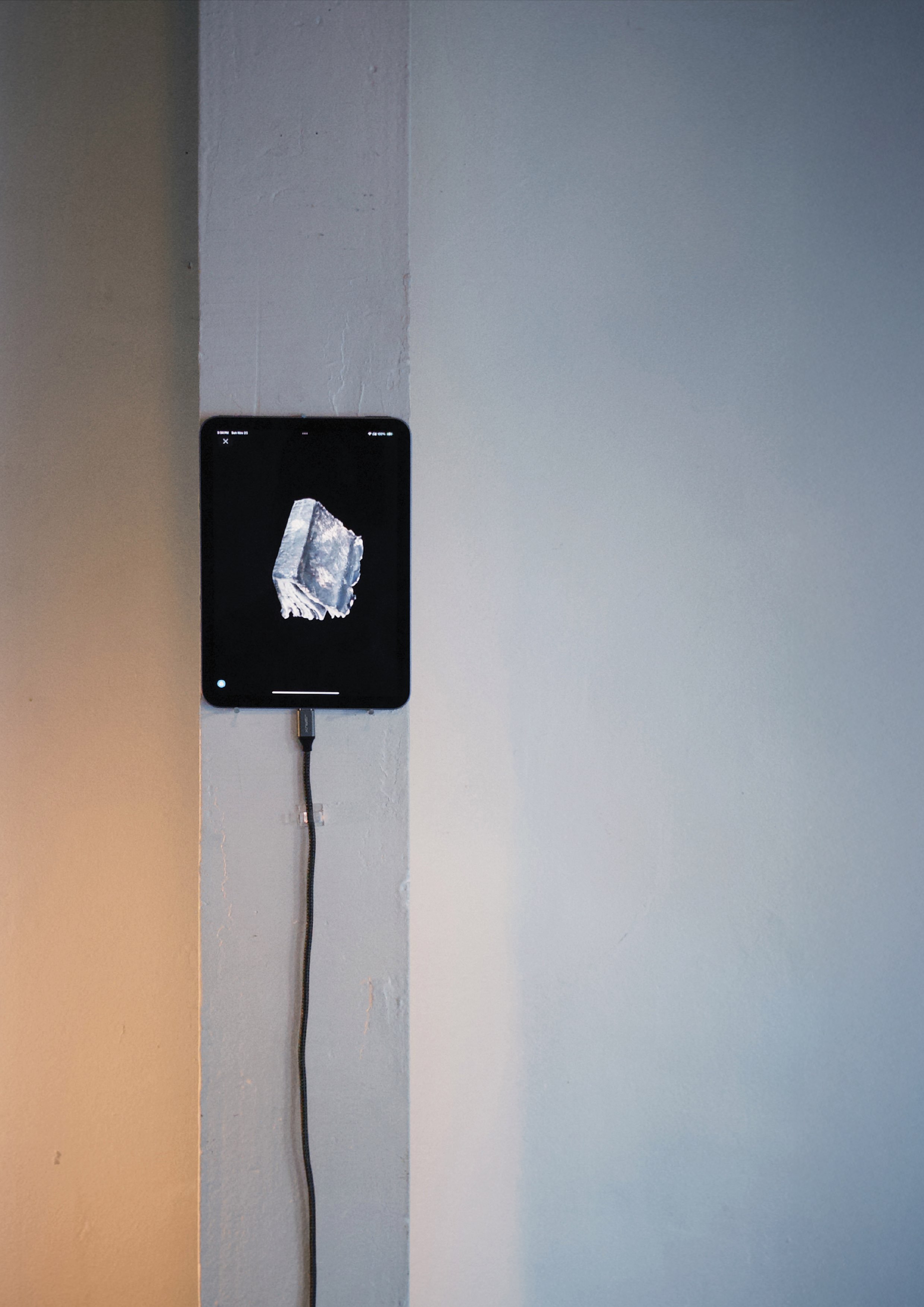
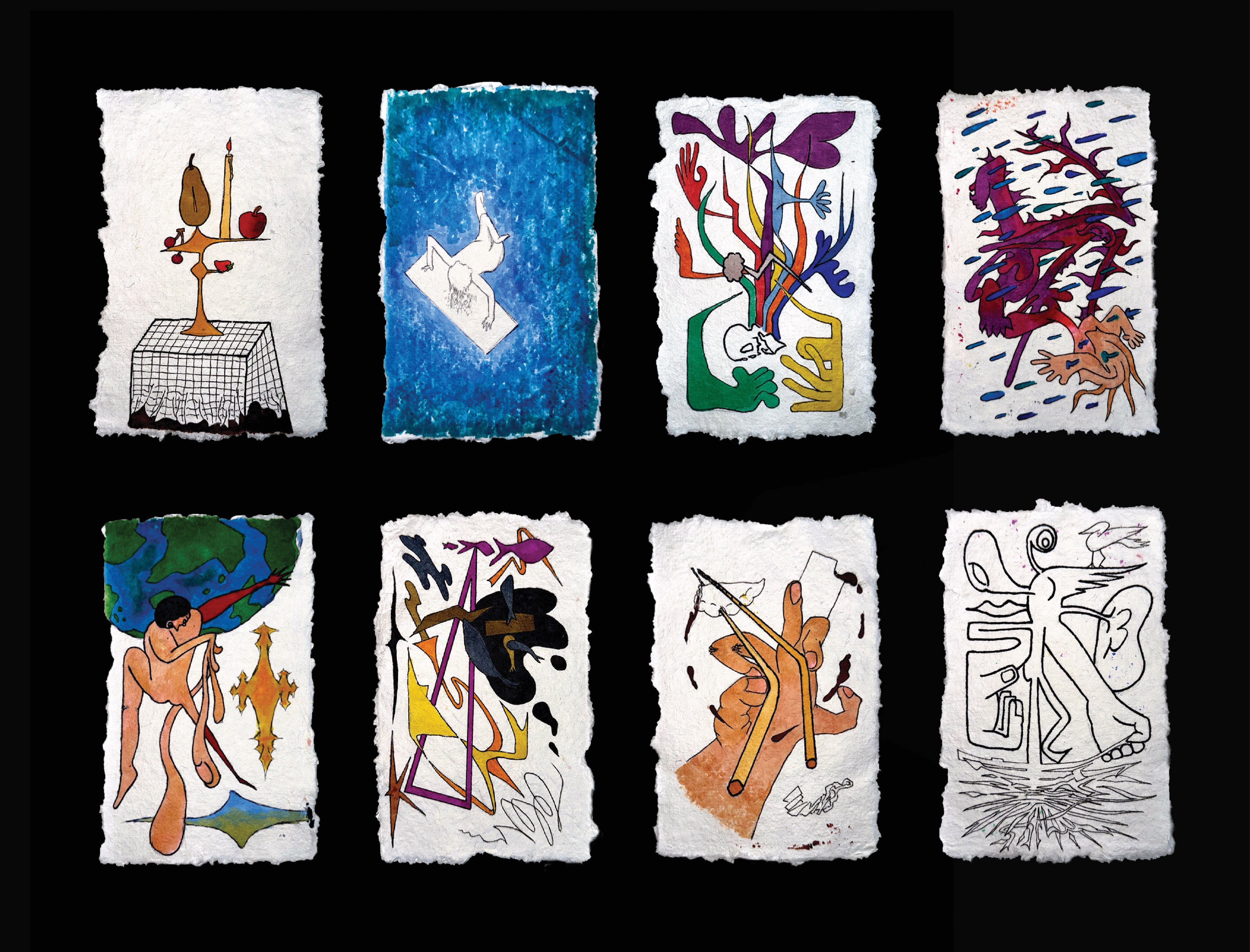
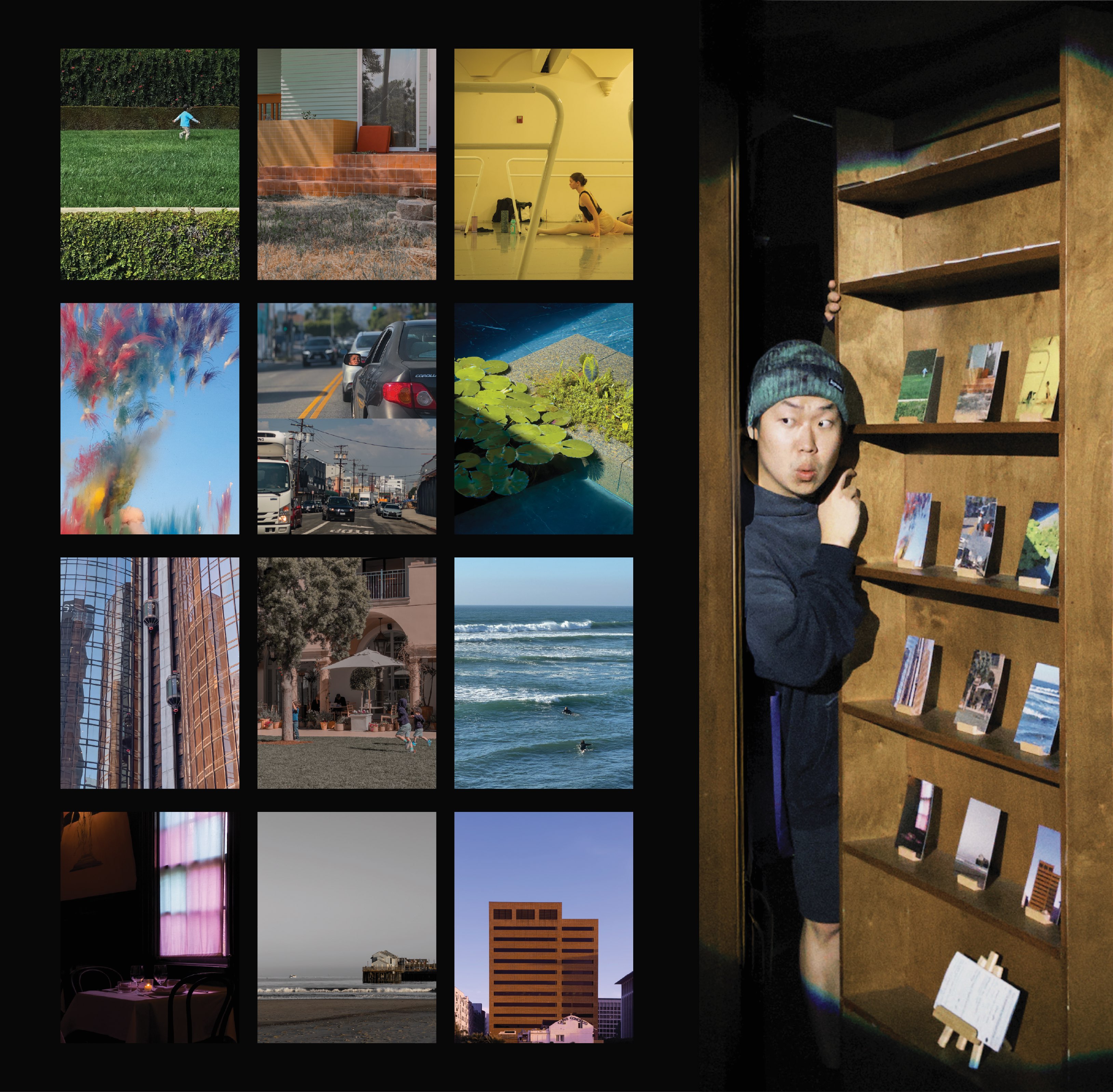
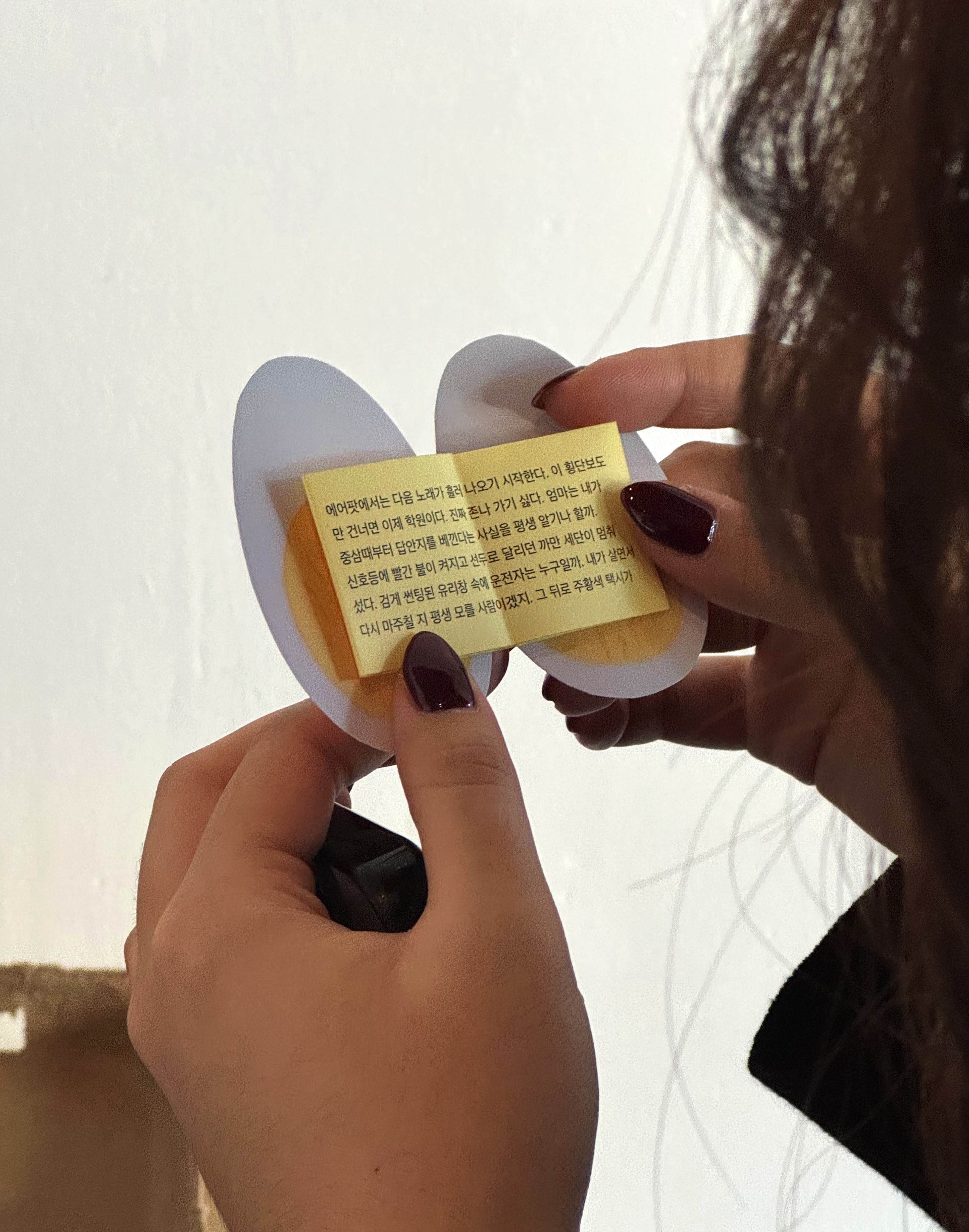
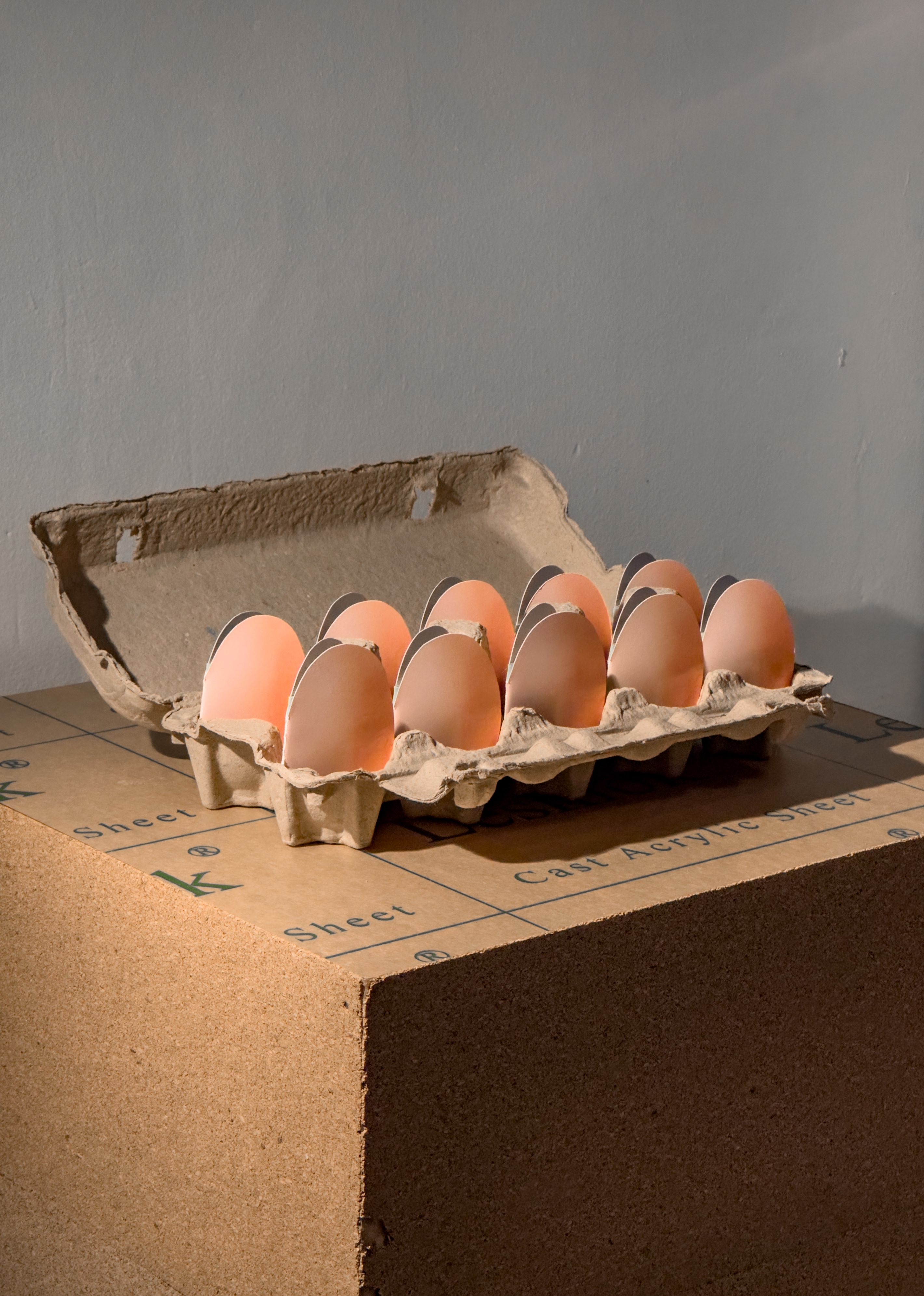
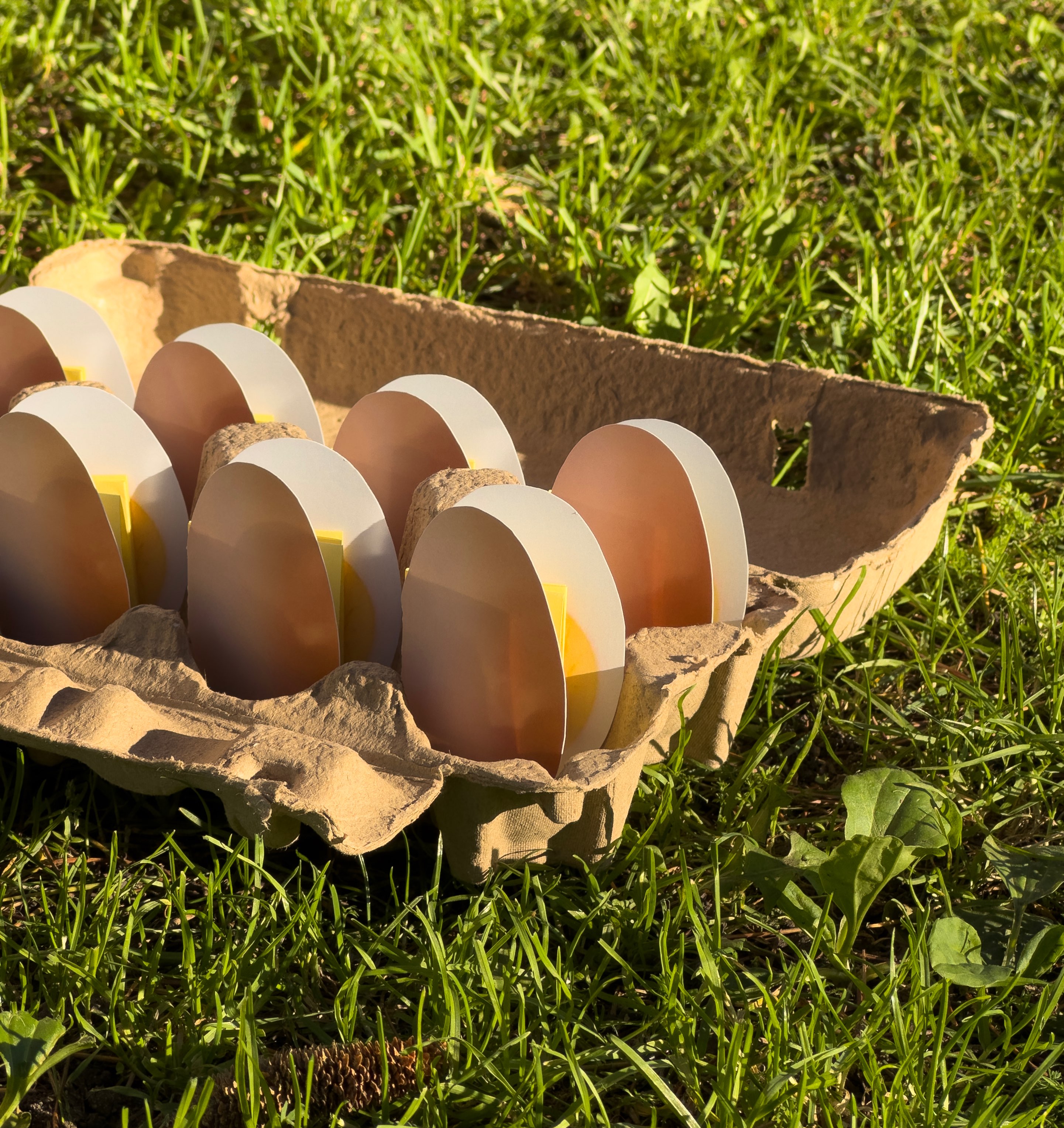
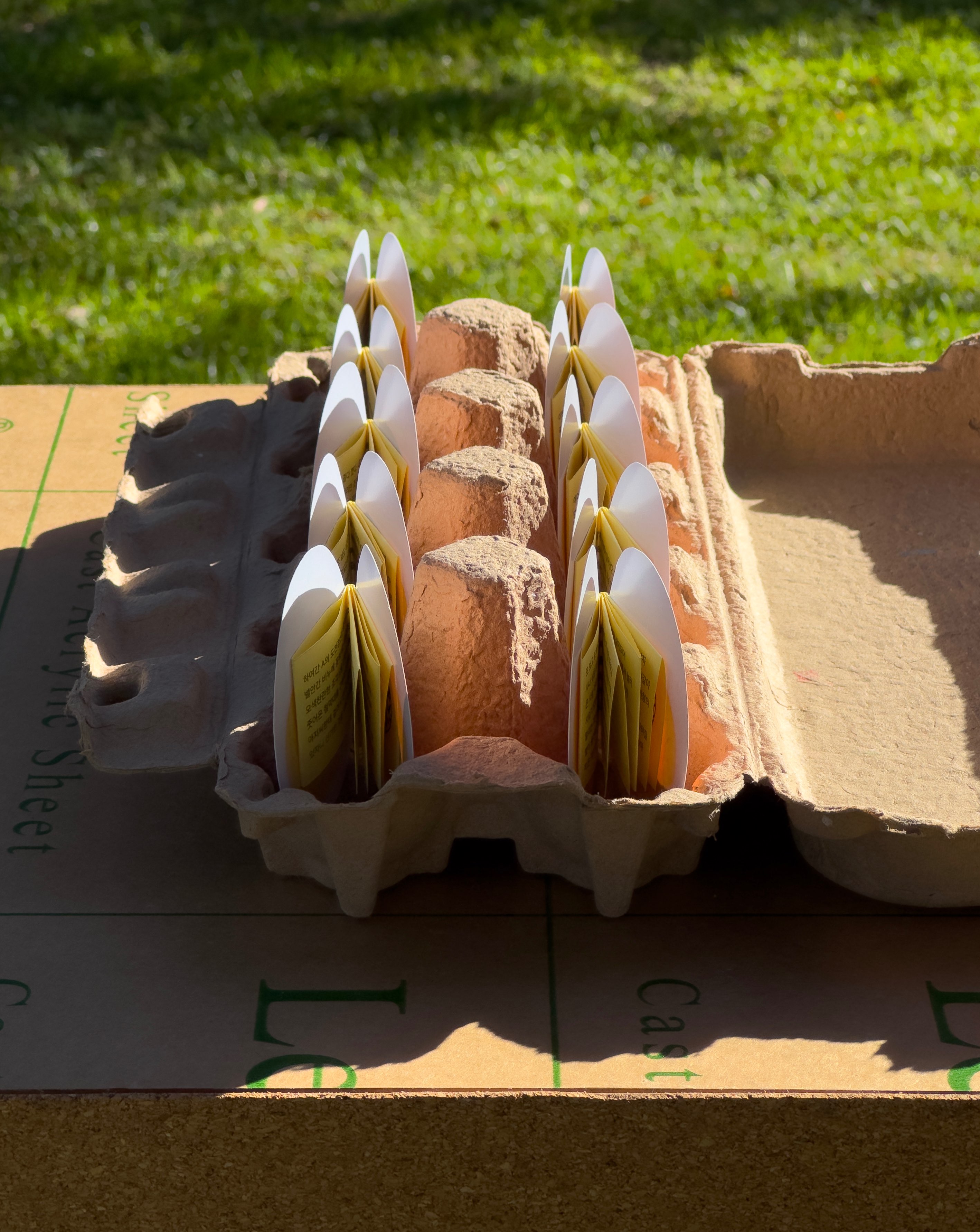
Memory naturally fades over time. When we revisit past moments, the act moves beyond verifying fixed facts and becomes a process of reinterpreting emotions and scenes. Triggered by everyday encounters—such as conversations with old friends or scrolling through photographs late at night—memory resurfaces in fragmented and often disordered forms. Some moments disappear, others are reshaped by desire, and the same memory can produce multiple narratives. I find beauty in this imperfect, unresolved state where memory is both preserved and altered. Told You Twice examines how time-aged records can be revisited and reworked from a present perspective. Drawing, writing, and photography were each created at specific moments, but in this exhibition the focus shifts from when they were made to how they are selected, rearranged, and experienced now. The works visualize a temporal overlap in which past and present coexist without clear separation. Drawing functions as my most familiar and immediate form of documentation. Palm-sized sketchbooks—worn and frayed with use—capture observed scenes, imagined images, and fleeting thoughts without a fixed hierarchy. Individual pages are separated and presented as independent objects, while the sketchbook itself—digitally preserved through 3D scanning—remains as a shell. By dissecting and exposing its elements, the work offers a renewed view of the outer layer and inner core of memory, and the point at which they intersect. Writing emerges as a reflective record shaped by a calm and deliberate state. Short narratives begin from given words, suggesting possibilities rather than conclusions. Collected under the title Life is Egg, these texts briefly reveal fragments of fictional lives. Seriousness and humor, roughness and delicacy coexist within the egg-shaped book, allowing characters and meanings to remain open and evolving. By reflecting my inner self and sharing the stories with others, the narratives shift—transforming into new figures shaped by each reader’s interpretation and experience. Photography is the most accessible form of recording, yet one that often leads to excessive accumulation. Over time, patterns surface within the growing archive—across recurring subjects, composition, color, and atmosphere. When these images are recontextualized as design, the addition of functional layers such as numbers and grids introduces an external system that conflicts with the photographs themselves. Rather than resolving this friction, the process becomes one of negotiation. The outcomes take two forms: postcards that cut through the image to foreground color, and calendar that emphasize spacing and visual pause. Together, they explore how photographs can evolve over time through use, while still retaining their original values.